By openly sharing our stories and
life-experiences, we can help build a more realistic knowledge of and
genuine wisdom about transgender issues. We can also help society see us as
the human beings we truly are. In the process we can enable more and more
people to live fuller and happier lives in an increasingly inclusive,
harmonious society.
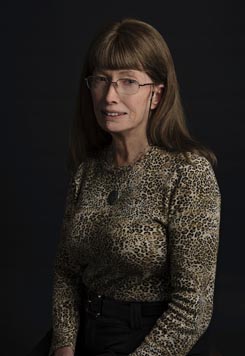
Prof. Lynn Conway
University of Michigan
2717 BBB, 2260 Hayward St.,
Ann Arbor,
MI 48109-2121
http://www.lynnconway.com

Links to earlier key pages in website:
Link to
mainpage as of 2012
Reflections
As My Trans-Advocacy Pages Pass
into History
[See also "Mementos From Trans-Advocacy,
below]
In
the early 2000's, this website began providing gender transitioners with
information, encouragement and hope for a better future. Among its most
popular sections were the "Transsexual
Women's Successes" and "Successful
Transmen". Back then, trans women especially were considered
sexually-deviant and mentally-ill by prejudiced psychiatrists and
psychologists. By compiling stories of those who went on to fulfilling lives
after transition, the pages undermined the
pathologization of gender variance by prominent psychiatric thought leaders
– and provided role models and hope for the many people then in transition.
The site then documented opportunities
for young transpeople to transition anonymously and successfully
while in
college, and encouraged universities to provide more supportive
environments for these transitioners; as the decade progressed, such
college-age transitions became increasingly common. The site also educated
transwomen about the remarkable
facial
feminization surgeries (FFS) pioneered by
Douglas Ousterhout,
M.D. Although FFS involves expensive, invasive and painful
maxillofacial reconstruction, it could significantly reverse
facial-skeletal damages caused by gender-inappropriate pubertal hormones ‒
enabling many transitioned women to live more fulfilling lives. As more
college-age transwomen obtained good educations and went on to better
careers, increasing numbers were able to afford it.
The site also exposed, as a myth, the
time-worn pronouncement that transsexualism is 'extremely rare'. For decades
the psychiatric community had promulgated trans-prevalence numbers that were
too
small by a factor of ~100, thus hiding from the public the large numbers
of transpeople who were suffering from discrimination, social
marginalization and inadequate health-care. Worse yet, much of the
discrimination against transpeople was itself caused by the very same
psychiatrists' pronouncements that gender variance was a 'mental
illness'.
In April of 2003, a wonderful woman
named
Sofia Iglesias translated the "Successes page" into
Spanish, and we became good friends. Sofia went on to translate even
more pages, to help young transitioners in her country Mexico and all across
the Americas. As others saw the impact of Sofia's work, volunteers began
translations into many other languages; the resultuing international
translation project escalated rapidly in scope and coverage, bringing
support to ever more trans-people around the world.
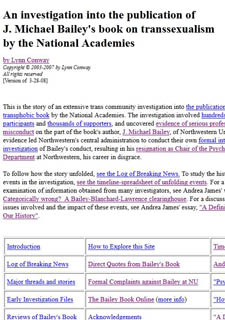
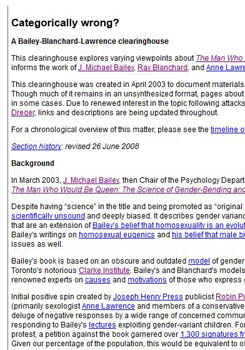
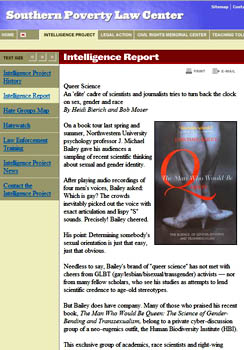
During 2003-2006, the site became a
focal point (along with
Andrea James' TS Roadmap) for the
investigation and exposure of the publication of
J. Michael Bailey's transphobic pseudo-science book by the
National Academies. The investigation led to Bailey's
resignation as Chair of the Northwestern University's Psychology
Department, and to his eventual
decline into professional indiscretions,
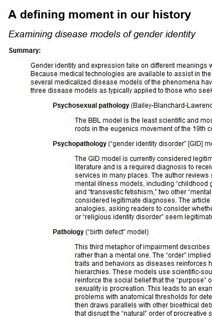
disgrace and obscurity. The Bailey fiasco became
a defining
moment in trans history by exposing psychiatric theories about gender
variance to be absurdly unsound, including those of academic psychiatrist
Paul McHugh, M.D., a
prominent
National Academy member. Sadly the Academies never expressed regret for
their
misguided
support and
heavy-handed promotion of Bailey's malignant science ‒ giving us 'the
silent treatment' instead. They did, however, quietly remove
Bailey's embarrassingly unscientific book from the NAP website.
During 2006-2009, my site became a
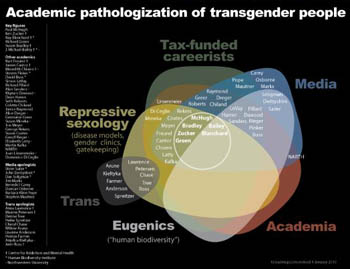
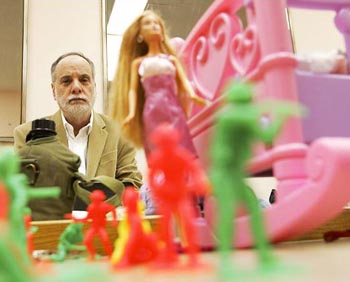
focal point for the investigation and exposure of Ken Zucker's
trans-reparatist treatment of gender-variant children at
CAMH in
Toronto. Zucker had for years been the
autocratic thought-leader behind the
systemic
psychological pathologization of gender variance.* As the site began
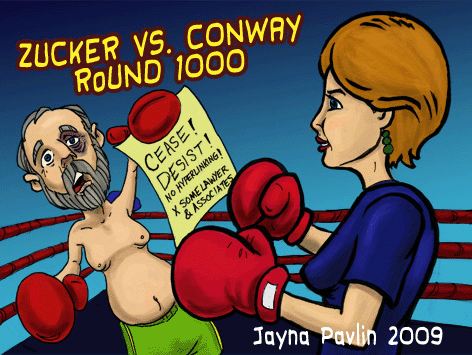
exposing Zucker's activities, he became enraged and
threatened a lawsuit in efforts to shut it down. I responded by
exposing Zucker's threat (see
video), triggering a tidal wave of trans-rebellion against what he was doing.
[*Note: Zucker's carefully-built
facade as a 'scientific authority' was deconstructed in 2011-12 by the Ph.D. research of
Y. Gavriel ('Gavi') Ansara and his
faculty advisor
Peter
Hegarty in their quantitative empirical study
"Cisgenderism in psychology: pathologising and misgendering children from
1999 to 2008", published in the journal
Psychology & Sexuality. Ansara and Hegarty's investigation
documented that authors from mental health professions were significantly
more trans-pathologising than authors from other professions, and identified
Zucker as the leader of an
'invisible college' of
group-think researchers who collectively-exploited such pathologising
language
to impose their discriminatory gender ideology on scientific thought
about children's genders.
In 2012, Ansara won the American Psychological Association's Transgender
Research Award for this research.]
The site also
promoted the movement
towards supportive treatment of transgender children and teens, as
dynamic groups such as
Trans Youth Family
Allies (TYFA) organized to help the families of such children. By the
late 00's, many young transitioners were succeeding way beyond expectations,
especially those using
puberty-delaying therapies pioneered
by Norman Spack, M.D. so as to avoid gender-inappropriate pubertal
changes prior to transition. This movement gained increasing traction amongst parents,
counselors, physicians, and even school systems (including schools in
Toronto, Zucker's home-base). It was clearly the wave of the future.
As
work on my early trans-advocacy pages
wound-down, I focused in on the
Trans
News Updates (TNU) to monitor ongoing changes in social and media
attitudes about gender variance. In a
special TNU section I documented the increasing
exposure of the pathologizing teachings of the psychiatric establishment,
the increasing efforts to
remove gender variance as a 'mental illness' from the
DSM (the psychiatrists' bible), the exposure of Zucker's role in the
institutionalized academic suppression of transpeople, and
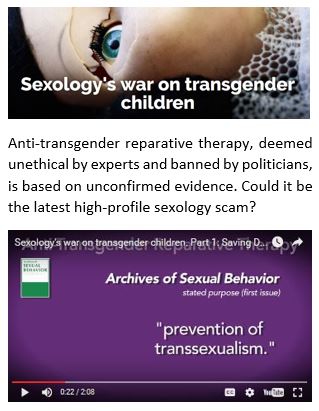
Zucker's advocacy of conversion-therapy on trans children and teens.
During the ensuing period from 2009-2014 a wave of social consciousness
began spreading wide and far about the horrors imposed by childhood gender
conversion therapy. For more about these events, see
the brilliant exposé of the psychiatric superstition and malfeasance during
this era compiled by
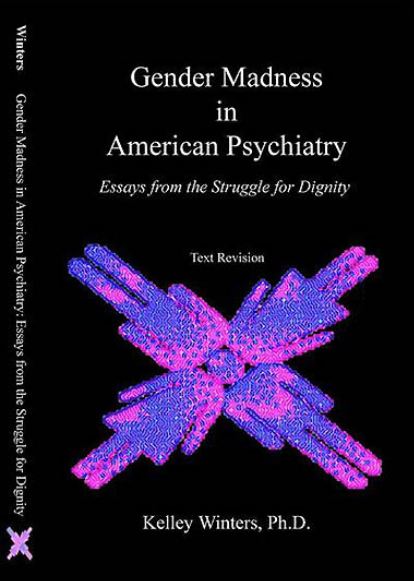
Kelley Winters, Ph.D.
in her GID Reform website, and in
her book Gender Madness in
American Psychiatry: Essays in the Struggle for Dignity.
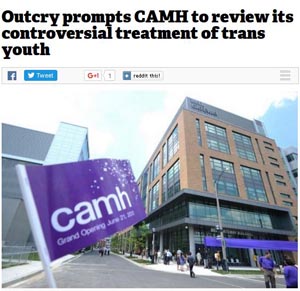
In March 2015, the exponentiating revulsion against Zucker’s childhood
conversion therapy triggered a public outcry in Ontario,
prompting CAMH to review its controversial treatment of trans youth.
Zucker’s world then began to fall apart. In June 2015,
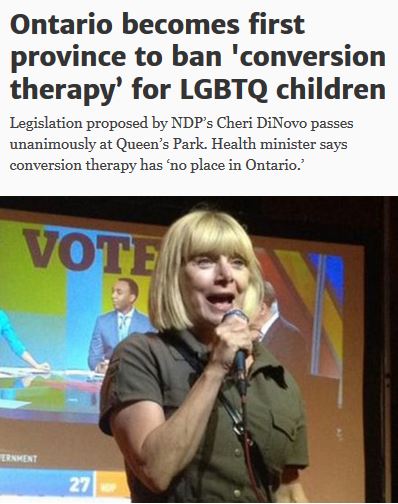
Ontario became first province to ban 'conversion therapy’ for LGBTQ
children. In December 2015,
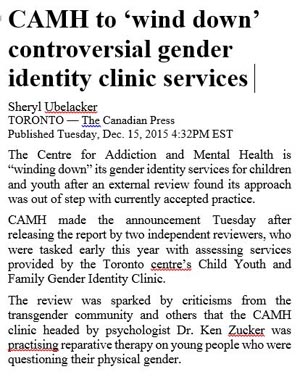
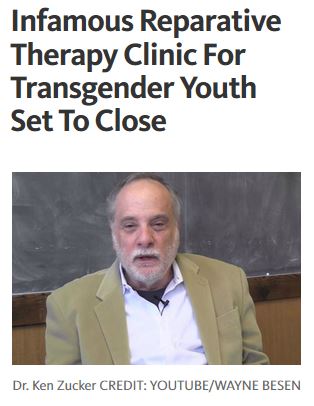
CAMH ‘wound down’ its gender identity clinic services, closed Zucker's
infamous reparative therapy clinic for transgender youth, and fired
Zucker. Thus ended a tragic chapter in the dark-history of rogue 20th
century social 'science'.
As I
shifted into writing memoirs about my
adventures, education and
career (below), my earlier trans-advocacy pages
finally passed into history (see archived
pre-2012
mainpage). Even so, those pages still get many hits and are an ongoing
source of hope for many people. We give thanks to the courageous transitioners who volunteered for early listing in the "successes" pages ‒
way back in 2000 when such exposure could have led to dangerous backlashes from reactionary transphobic people. Fortunately, those dark days
have receded. Nowadays many tens
of thousands of transitioners have not only moved on into happy and fulfilling lives,
but are also open and proud about their life accomplishments.
Adventuring
Quoem re Adventuring:
"It's never
too late to have a happy childhood."
–
Tom Robbins
"A ship in
port is safe, but that’s not what ships are built for."
–
Grace Hopper
"You miss 100 percent of the shots you don't take."
–
Wayne Gretzky
"Dare Mighty Things"
–
Theodore
Roosevelt
Transgender pioneer reflects on sports
past
by
Ross
Forman,
Windy City Times
September 18, 2013
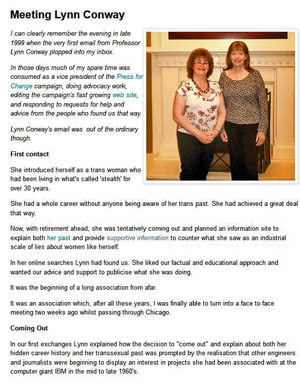
Lynn Conway is a transgender
pioneer whose longtime passion has been sports, particularly
adventure sports. She's overcome two similar life obstacles
(transitioning and a fear of heights) en route to her current state:
a 75-year-old Michigan resident—reflective and respected, passionate
and accomplished, innovative and intelligent.
"In a strange way, while rock-climbing years
ago I was learning exactly what I needed to transition, learning how
to overcome fear," Conway said. "Although scared of heights, I
worked up to some
modest climbing in
Yosemite Valley—and passionately enjoyed it."
Conway, who lives west of Ann Arbor, has
been
married to Charlie since 2002; they have been together since
1988.
The two were in Washington D.C., this past June for the
President's White House Reception in celebration of LGBT Pride
Month. Joy, hope and optimism carried throughout the event, filled
with other activists, advocates and allies.
Conway has been out and a
trans-rights advocate for 15 years, although her involvement
with the LGBT community began decades earlier.
"When I went away to
college in 1955, I was finally free to begin exploring—but it
was very difficult," Conway said. "I thought I was gay [early on
because] society was telling me I was. So I sort of randomly tried
to find my way into the gay world, but that didn't work."
Enjoying
sailing while
in college, Conway was also drawn to
rock
climbing, finding joy in conquering her fear of heights a step
at a time.
After earning her degrees at Columbia
University in the early 1960s, Conway went west into a
computer research career and into climbing in
Yosemite and the
Sierra Nevada. By then she knew what she had to do. She
completed her transition in 1968 while living in
San Francisco.
"Most of my transition mentors were
trans-girls who were either sex workers or entertainers at places
like
Finnochio's," she said, reflecting on an era long past. "No way
could I have been out back then and found a regular job. I didn't
have the talent to be an entertainer, so I'd have ended up in sex
work."
All along, sports were Conway's crutch, her
supporting shoulder. The adventure sports were dangerous and
difficult, but transitioning was as well. However, the sports were
also exciting. "It's the learning that's fun, the exploring that's
fun," she said.
Conway became a widely known
computer
pioneer while living in stealth after her transition. She also
took up
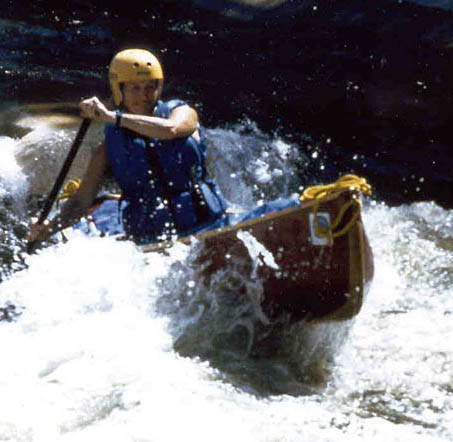
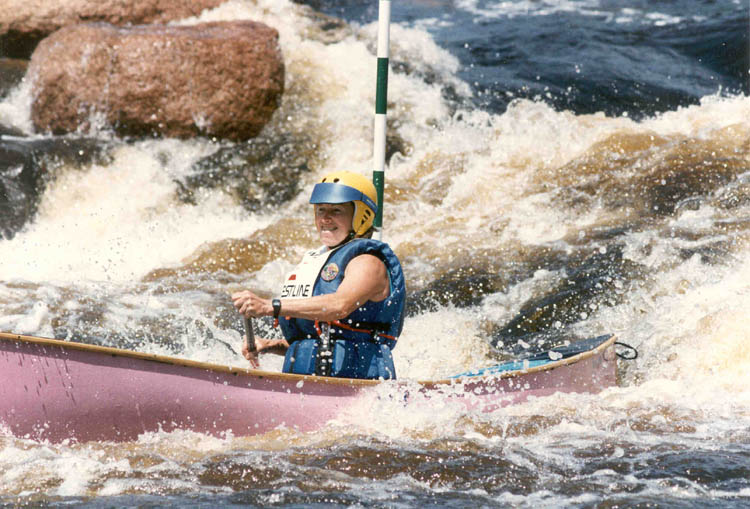
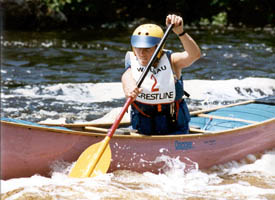
whitewater slalom racing and went on to
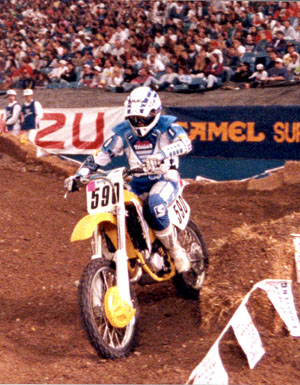
motocross racing, sports that, no doubt, brought her back to
summer camp, at age 10, in
Maine.
"[Camp] was a transformative experience in
my life because all at once I learned about things like making
fires, hiking, camping, fishing, swimming, horseback riding, rifle
shooting and more," Conway said. "It's what set off my tomboyish
adventure-seeking."
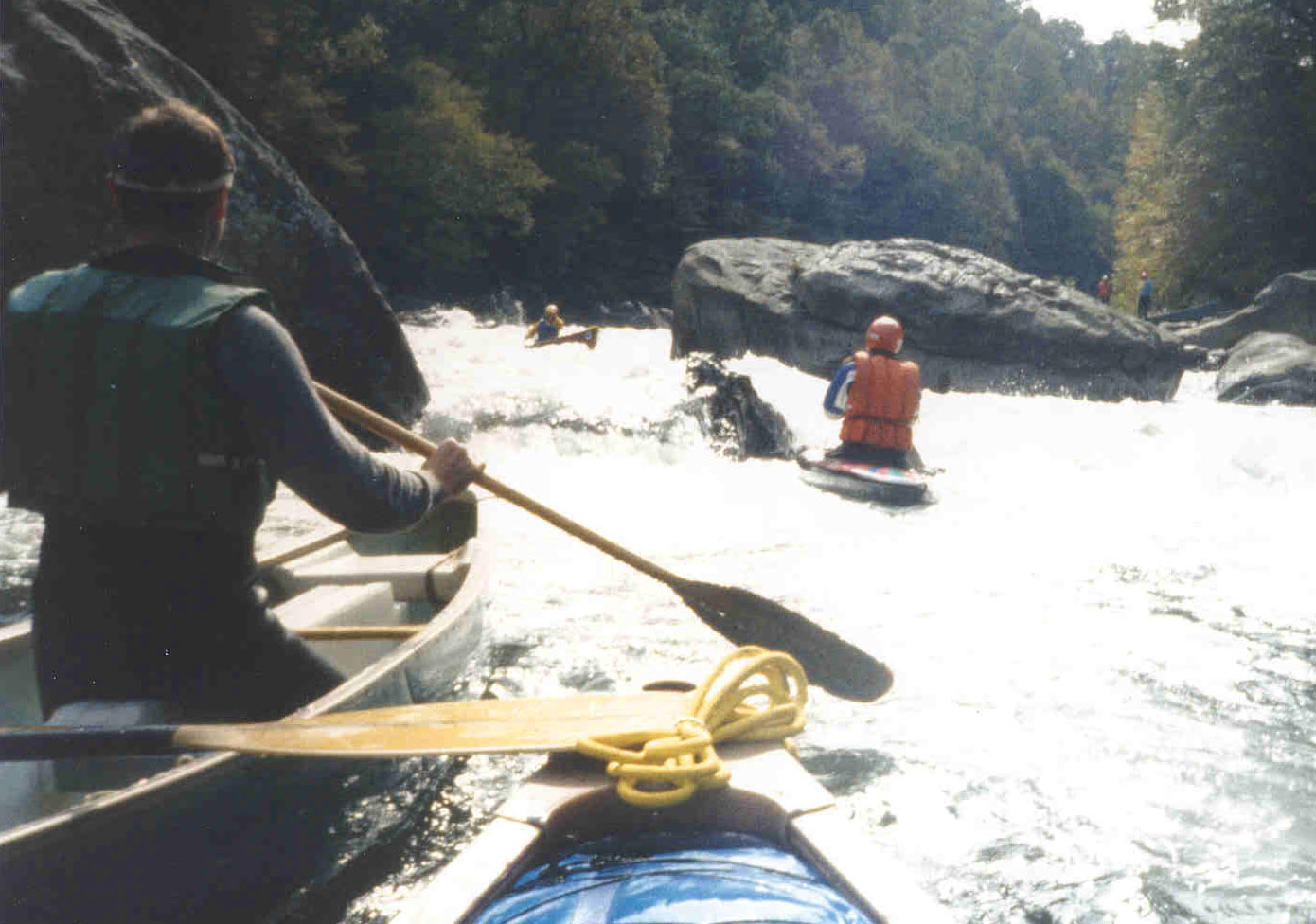
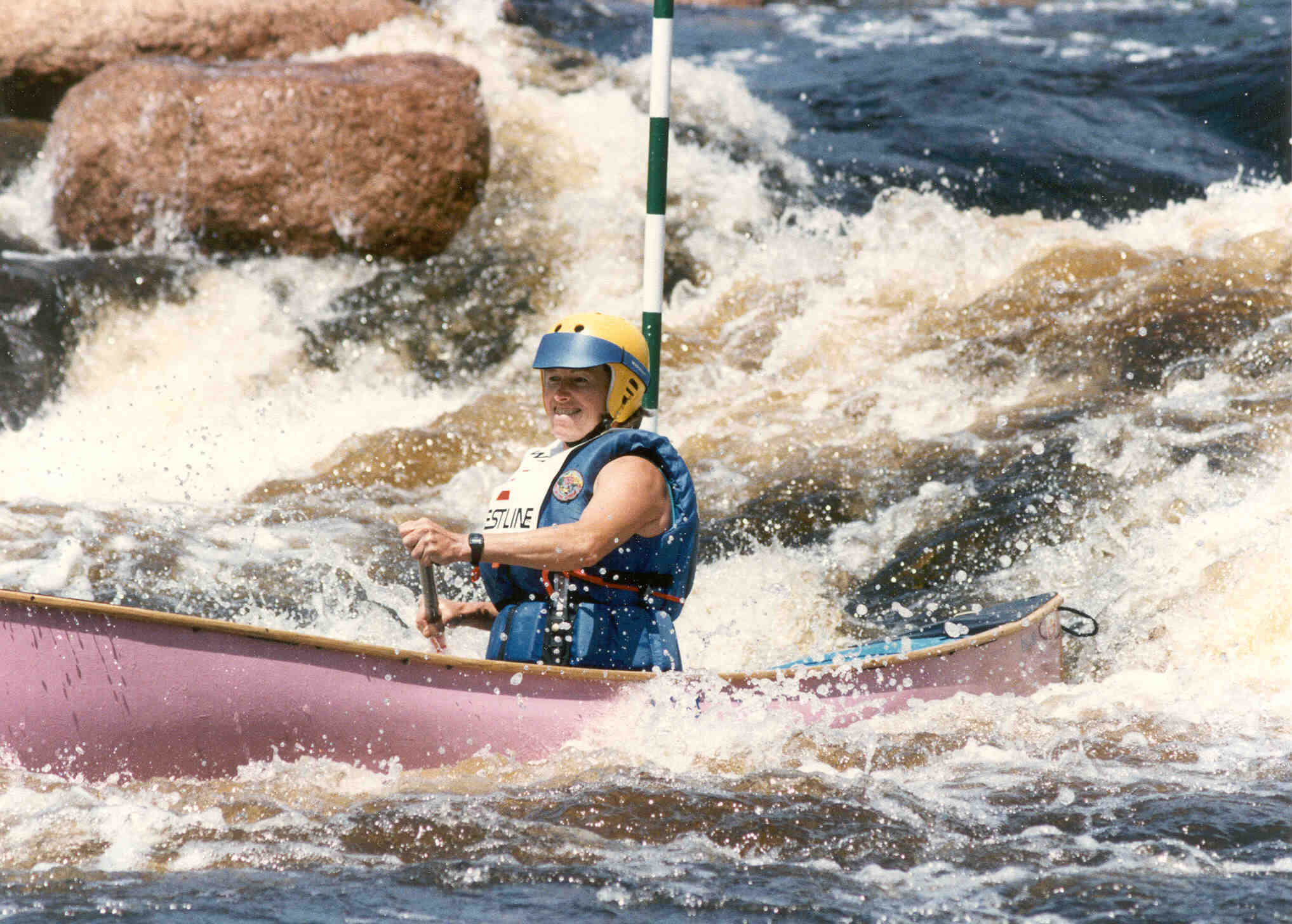
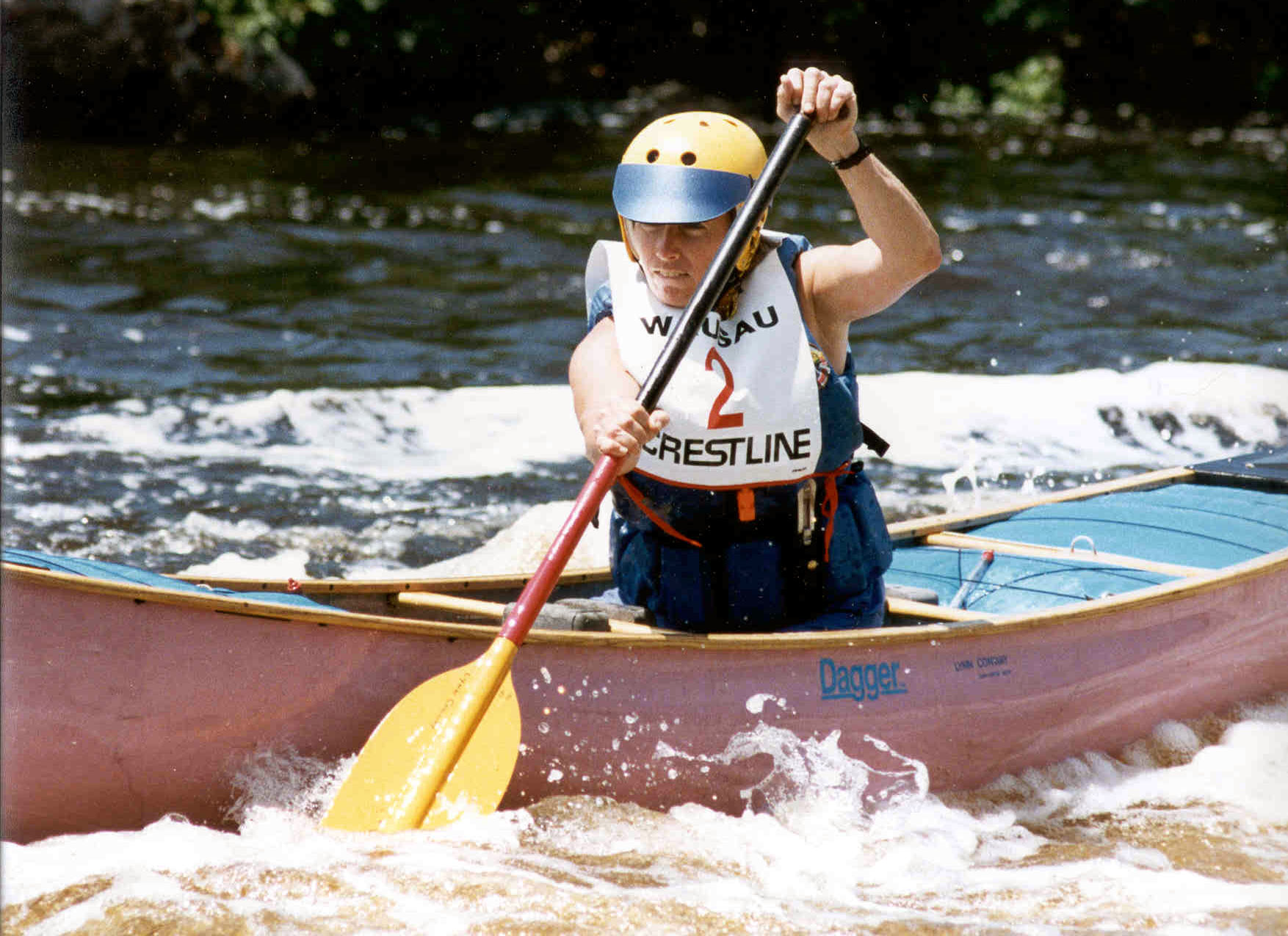
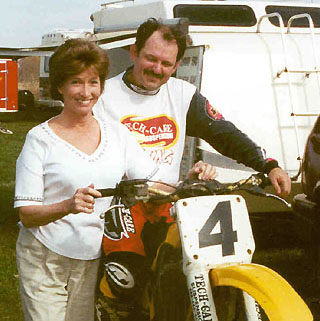
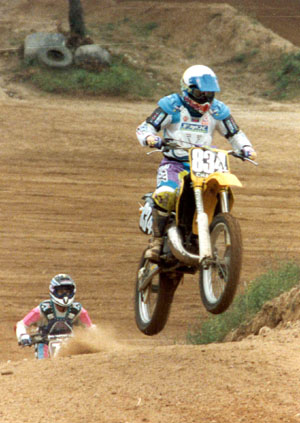
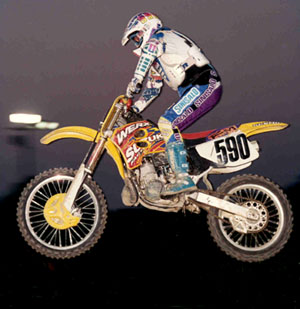
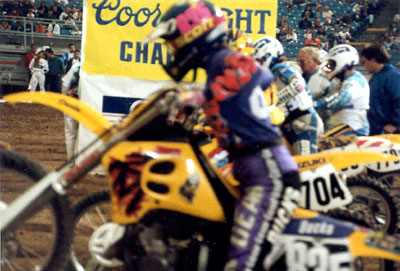
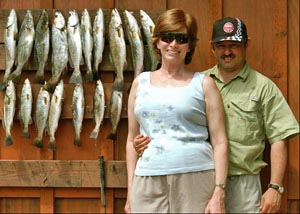
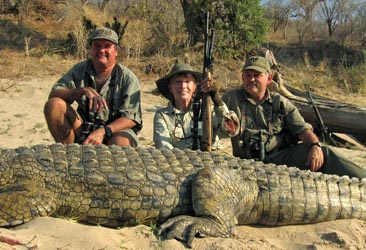
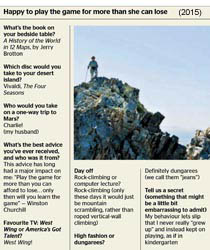
Rock Climbing – Hiking and
Backpacking – Physical Training – XC Skiing and Snowshoeing – 10K Running
Whitewater
Canoeing and Slalom Racing –
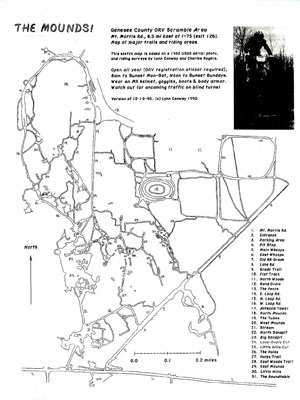
Motocross and
Supercross Racing
– Adventure Hunting and
Fieldcraft
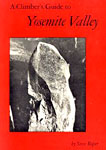
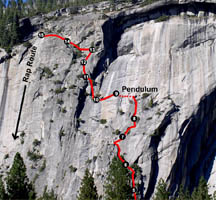
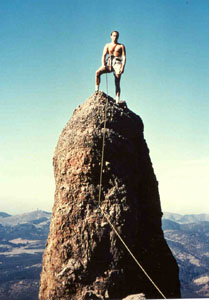



Educational Reminiscences
Lynn's MIT Reminiscences:
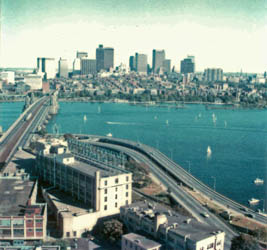
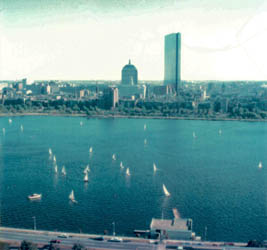
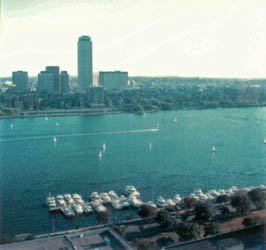
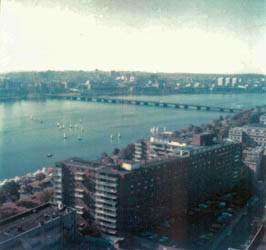
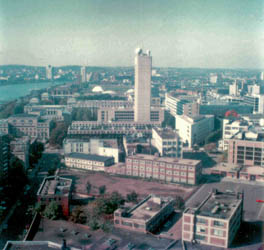
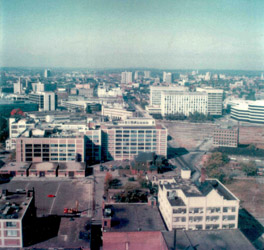
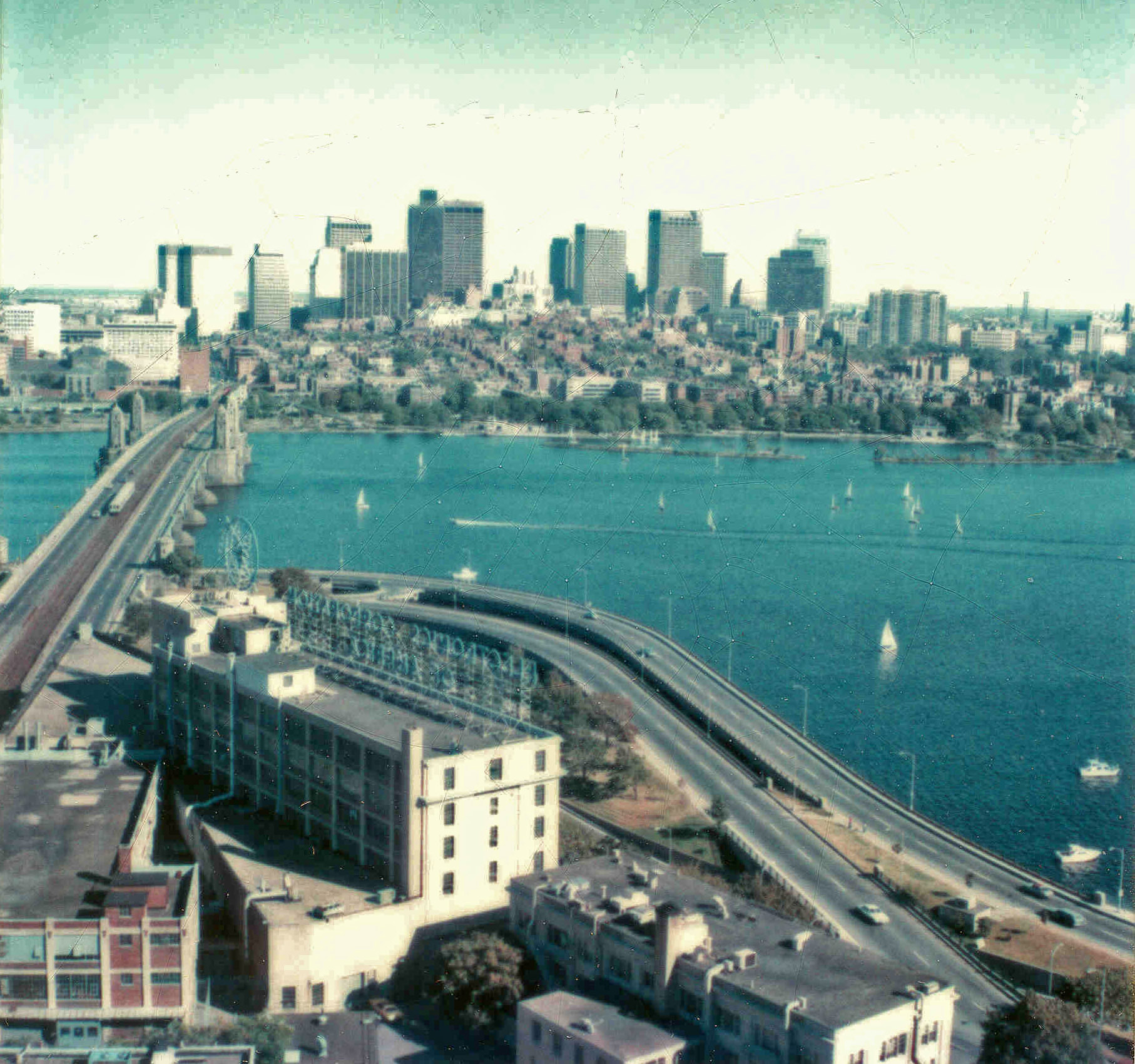
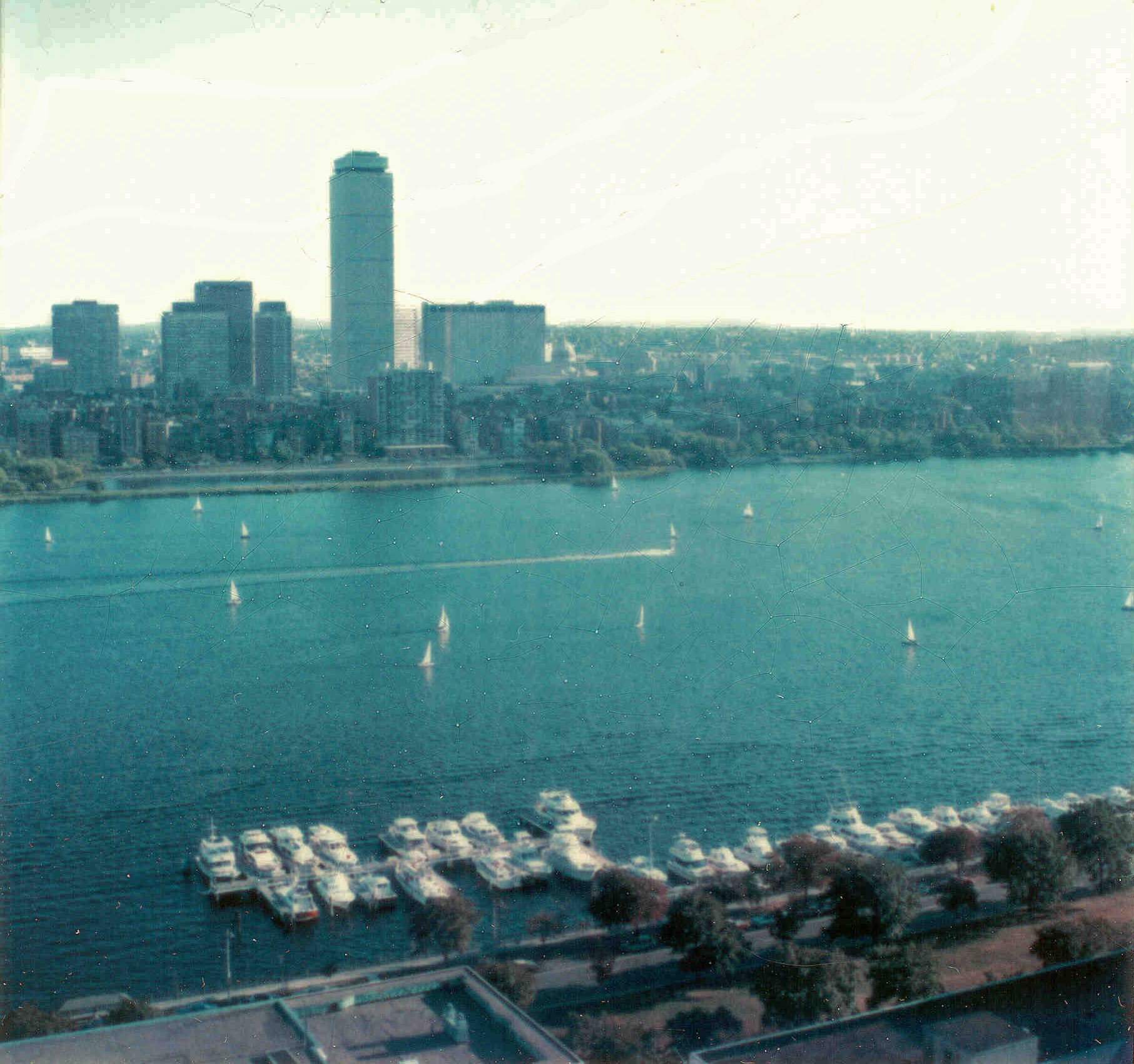
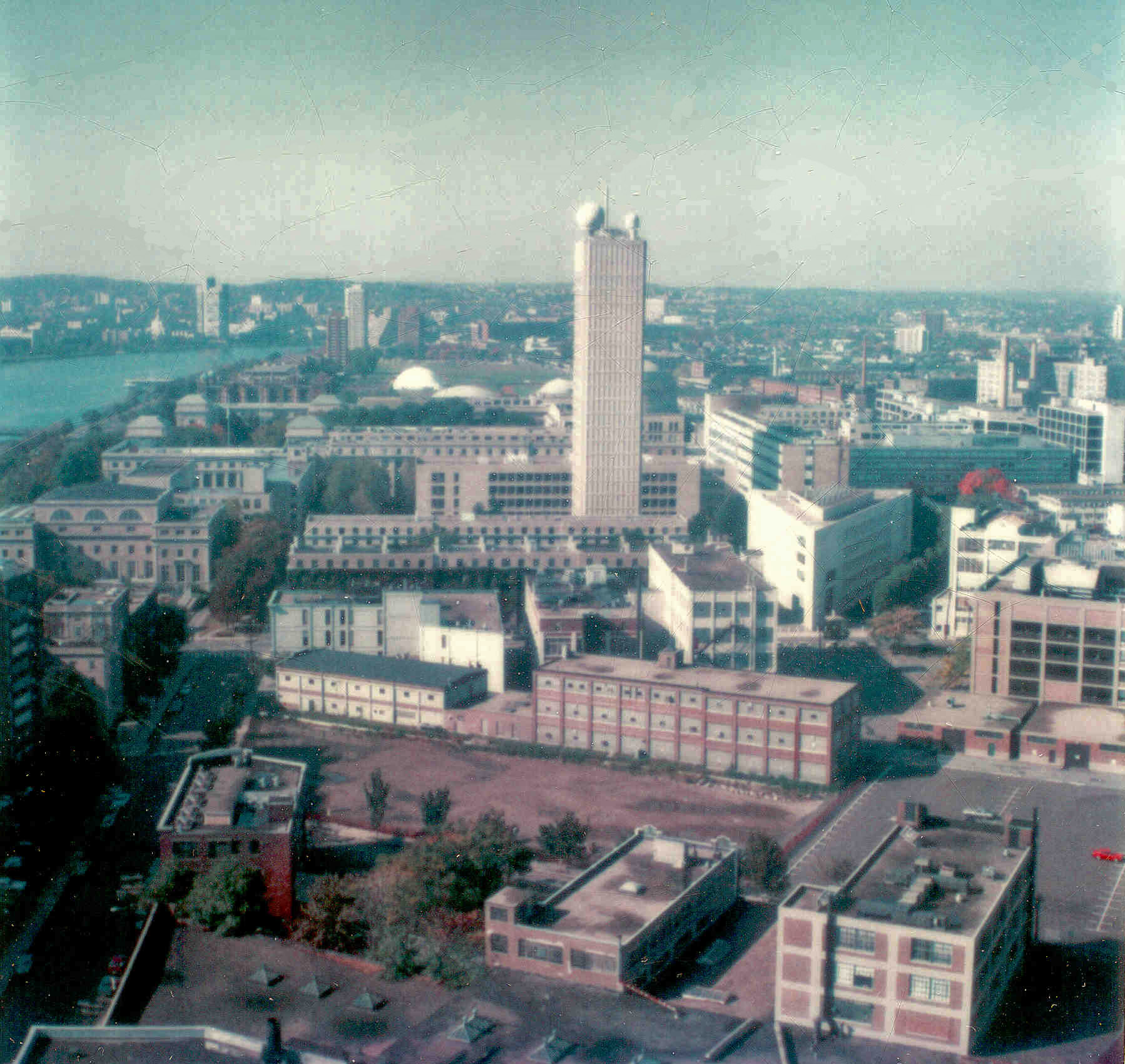
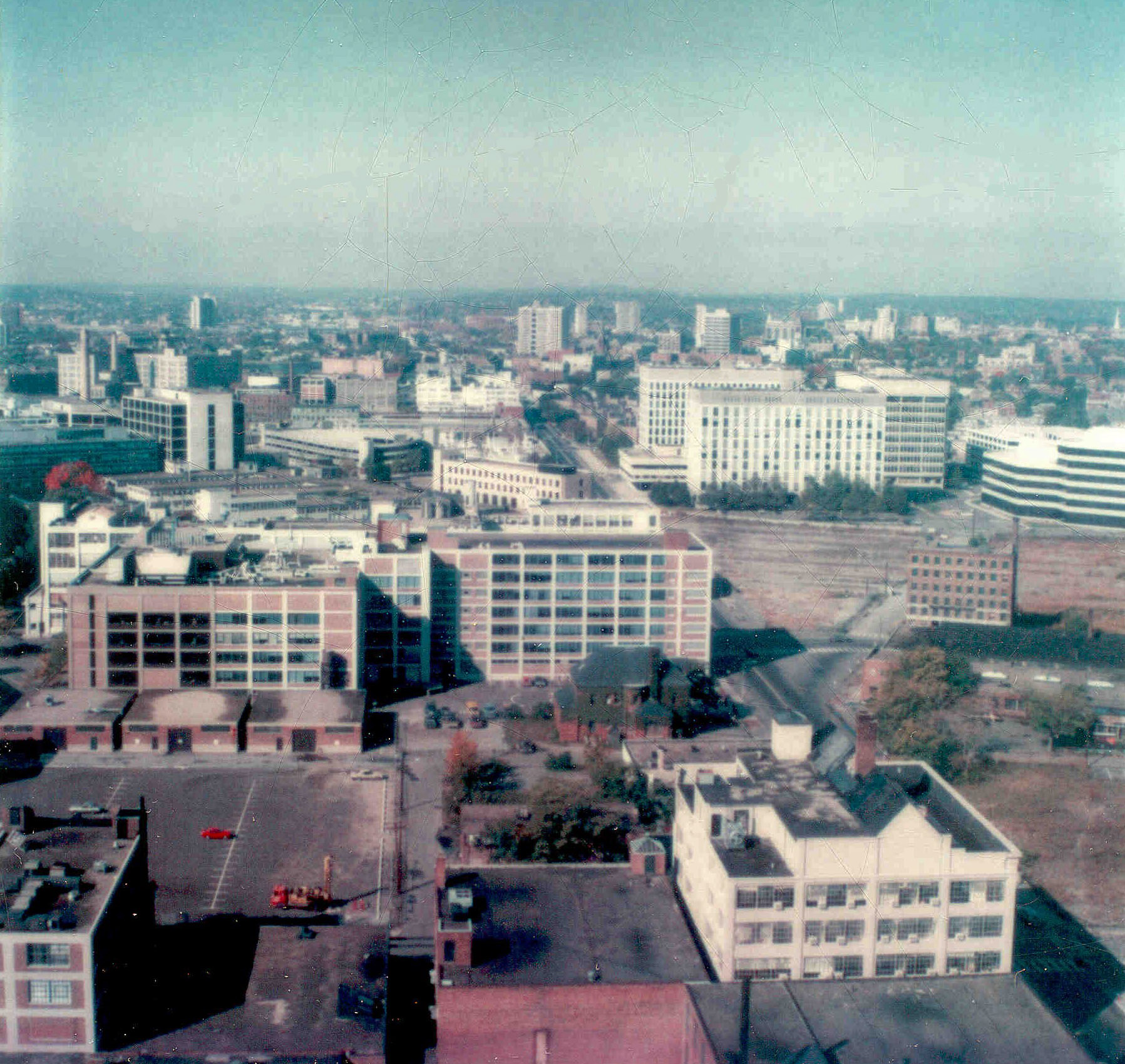
A trip back in
time:
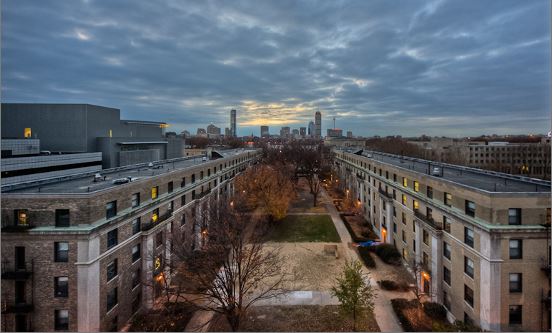
M.I.T. and the
Charles River Basin as seen from Lynn's
apartment in M.I.T’s
Eastgate, 1978.
[Click
on individual photos to access higher-resolution images.]
"There’s always excitement in the air at MIT. I first breathed that air in September 1955, as a 17
year old freshman moving into
East Campus.
As door after door of knowledge opened before me, I filled with feelings of
empowerment. Those feelings soon extended into everything I did, whether
sailing
Tech Dinghy's on a blustery day, or rock climbing in the
Quincy Quarries, or later-on when exploring New England on
a motorcycle.
Starting out in Course-8 (Physics) I did well,
making High Honors Dean’s List a number of times (MIT had Dean's Lists back
then). But after taking the
Course-6 (Electrical Engineering) circuits sequence, I became unsure of my
goals. Partly it was the magic of the time. A huge paradigm shift was
underway in pulse and digital electronic circuitry, triggered by the WWII
tsunami of innovation at
MIT’s Rad Lab.
I’d also been inspired by brilliant young EE
instructors like
Dudley Buck, who enabled us to visualize at a glance the
behaviors of devices and circuitry we were playing around with inside our
minds. Now, instead of seeing electronics as infrastructure for doing
physics, I glimpsed a vast world for exploration, abstraction and
meta-architectural innovation – an insight heightened by MIT’s
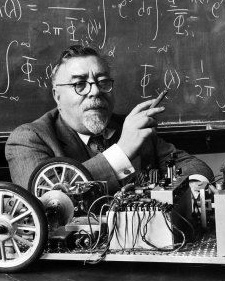
Norbert Weiner’s visionary writings on “cybernetics.”
I vividly recall Weiner trundling toward me one
sunny day as I headed toward the
Building 8 entrance. Although he was seemingly lost in
thought, I tried to catch his eye, wondering what he saw inside his mind.
Whatever it was, he was clearly still ‘doing it’ at an advancing age. A
signal also rose above the noise: I was meant to do engineering after all.
But suddenly my whole world came crashing down.
Unable to find any help, my intense efforts to resolve my
lifelong gender-issues totally failed. Losing all
hope of ever becoming a girl and living a meaningful life, I dropped out
late in my senior year. However, MIT had made its mark. I would
instantly feel at home upon returning, two decades later . . . "
See full reminiscence at this link:
Lynn Conway, "MIT Reminiscences: Student years to VLSI revolution",
lynnconway.com, March 11, 2014.
See also related historical article:
Paul Penfield, "The VLSI Revolution at MIT", 2014 MIT EECS Connector,
Spring 2014, pp. 11-13. (PDF
of overall issue)
Lynn's Columbia University Reminiscences:
. . . TBD . . .
Mementos From Trans-Advocacy
Quoem re Trans Advocacy:
“Are
you your own science project?
Or someone else’s?”
–
Lynn Conway
“Height has
nothing to do with it, it is your strength that counts” –
Lynn
Hill
“Go-Meta!
When noticing something
unusual, quickly ask yourself “What’s this an
instance of?”
You’ll begin
envisioning forests instead of merely
seeing trees”
– Lynn Conway
"Numbers
count, even if psychiatrists can't!"
‒
Lynn Conway
“When
Weirdness breaks out, don’t get upset . . . Do Science On It!”
–
Lynn Conway
“Trapped
inside their closed memetic system, the transreparatists never
noticed they’d become OUR objects
of study”
–
Lynn Conway
“Let your plans be dark and impenetrable as night,
and when you move,
fall like a thunderbolt.”
– Sun
Tsu
While
outsiders watched 'The Houskeeper',
I lived 'Djanga
Unchained'
and at times
channeled Zoë
Bell in 'Death Proof'"
‒
Lynn Conway
“First
they ignore you, then they ridicule you,
then they fight you, and then you
win.” ―
Mahatma Gandhi
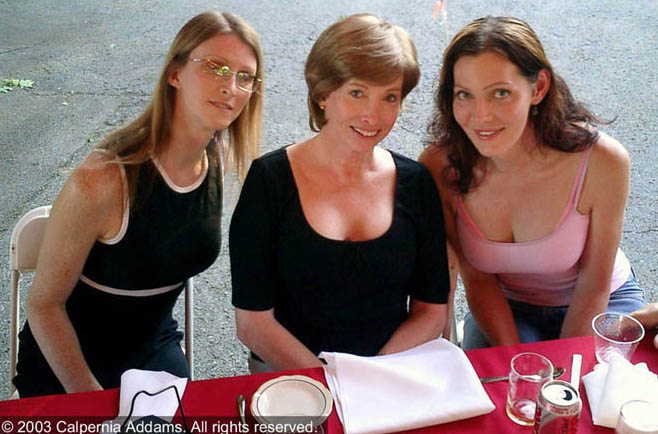
Andrea James,
Lynn Conway,
Calpernia Addams,
Chicago, 7/19/03 (Link
for Hi-Res)
Investigation of
the Publication
of J. Michael Bailey's Transphobic
Junk-Science Book by the
U. S. National Academies, 2003-2006
VDAY LA 2004:
The Vagina Monoloque/Beautiful
Daughters
|
 Deep Stealth
Productions presented the
V-Day 2004 Worldwide Campaign
event for Los Angeles on Saturday, February 21st. In cooperation
with the author, internationally-known playwright Eve Ensler, and
under the auspices of Jane Fonda, this benefit performance featured
the first ever transgender cast of "The Vagina Monologues," and
included a new monologue written by Eve especially for this event. Deep Stealth
Productions presented the
V-Day 2004 Worldwide Campaign
event for Los Angeles on Saturday, February 21st. In cooperation
with the author, internationally-known playwright Eve Ensler, and
under the auspices of Jane Fonda, this benefit performance featured
the first ever transgender cast of "The Vagina Monologues," and
included a new monologue written by Eve especially for this event.
This large-scale,
mainstream event was a historic opportunity for the trans community
to present ourselves in a positive, contributing light.
The performance showcased notable trans women reading Eve's
beautiful monologues about the experiences of womanhood and the
reclaiming of self through loving and respecting our bodies. The
event also featured artistic, literary and musical contributions
from trans women from around the country. Among the many women
participating were: Calpernia
Addams, Becky Allison, Marci
Bowers, Lynn Conway,
Andrea James,
Donna Rose,
Gwen Smith,
Leslie Townsend, and many, many more...The V-Day Los Angeles
event was held in Hollywood on Saturday evening, February 21, 2004
in the
Silver Screen Theater at the beautiful
Pacific Design Center.
A special keepsake publication for V-Day LA 2004 was produced as a
remembrance of this wonderful event, and a documentary of the event,
entitled "Beautiful
Daughters", can now be seen on
LOGOonline.
Reflections on V-Day
/ Overview / About
The Show / Cast
and Bios / Videos / Photos
More
about "Beautiful Daughters" in Lynn's site.
|
Exposure of
Zucker's Trans-Reparatism,
2006-2009
“Drop the Barbie: Ken Zucker's reparatist treatment of gender-variant
children”
by Lynn Conway
NWSA Conference-Panel, 2008:
“Resisting Transphobia in Academia”
Online report by Lynn Conway
IFGE
Conference-Panel, 2009
““Disordered” No More:
Challenging Transphobia in Psychology, Academia and Society”
Online report by Lynn Conway
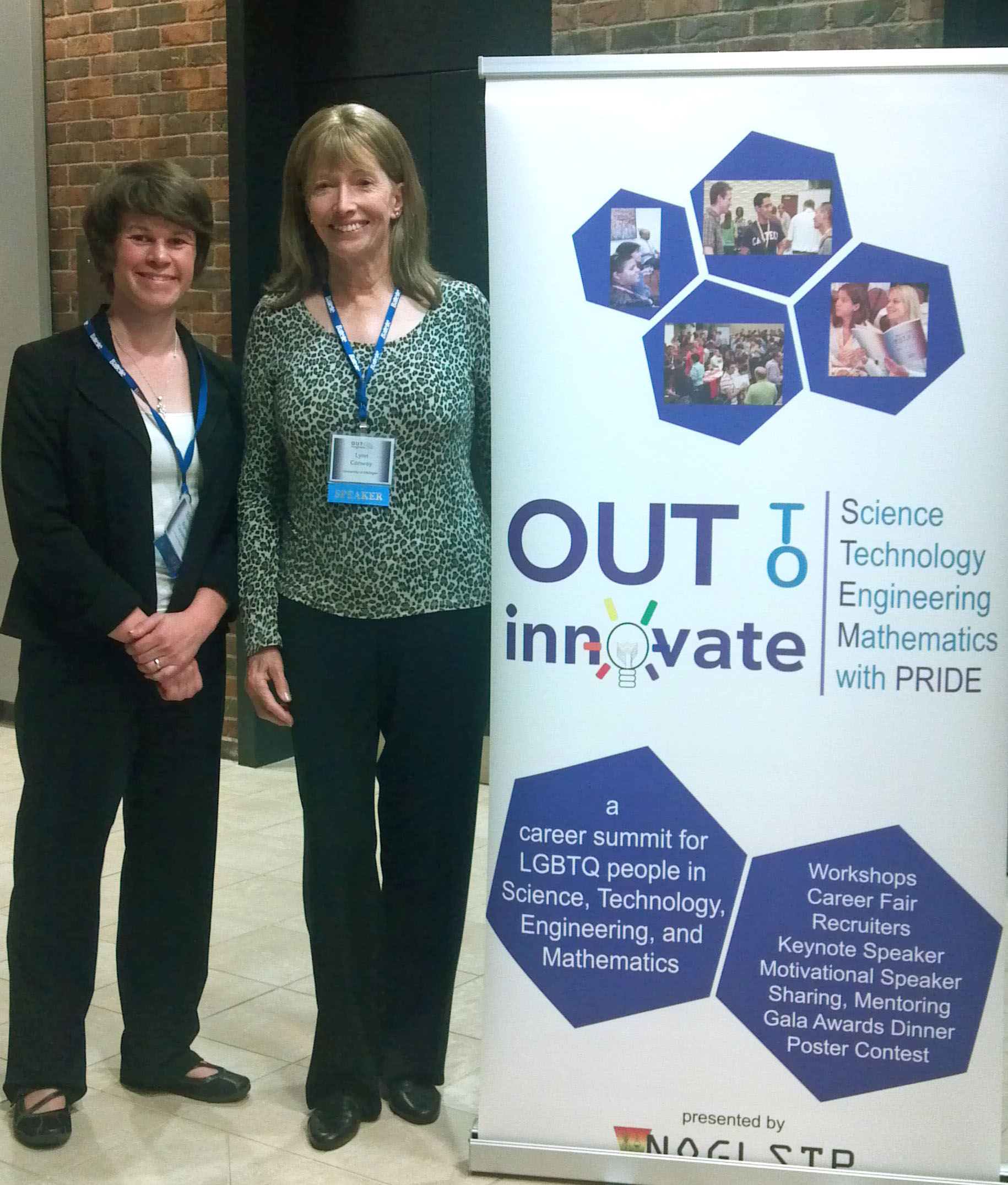
"Out to
Innovate" 2012, 2014
The National Organization of Gay
and Lesbian Scientists and Technical Professionals
(NOGLSTP) and
Out in Science, Technology,
Engineering and Mathematics
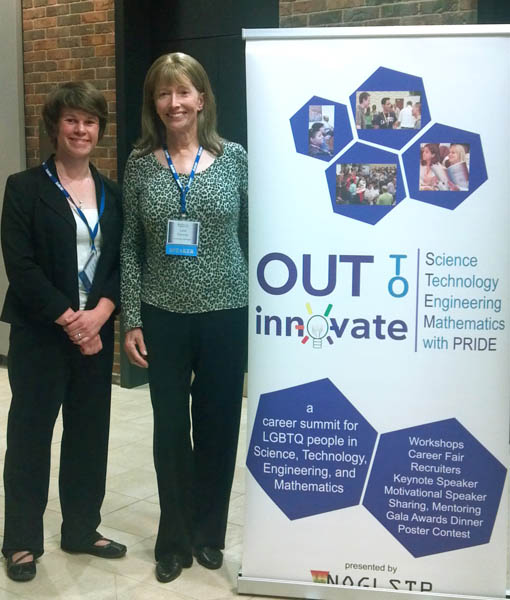
(oSTEM) presented “Out
to Innovate 2012” at Ohio State University, connecting LGBT STEM
students, academics and employers for career-development
opportunities. I participated in a plenary panel at OTI-2012,
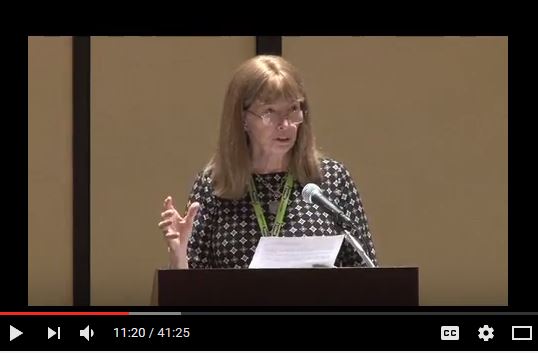
and two years later I Keynoted
OTI-2014 at Georgia Tech. I encourage LGBT STEM professionals to
join NOGLSTP and students to
join oSTEM.
[Video]
OTI-2012:
w
Brynn Tannehill
OTI-2014: Keynote Lecture
OTI-2014

White House
LGBT Reception, June 13, 2013
|
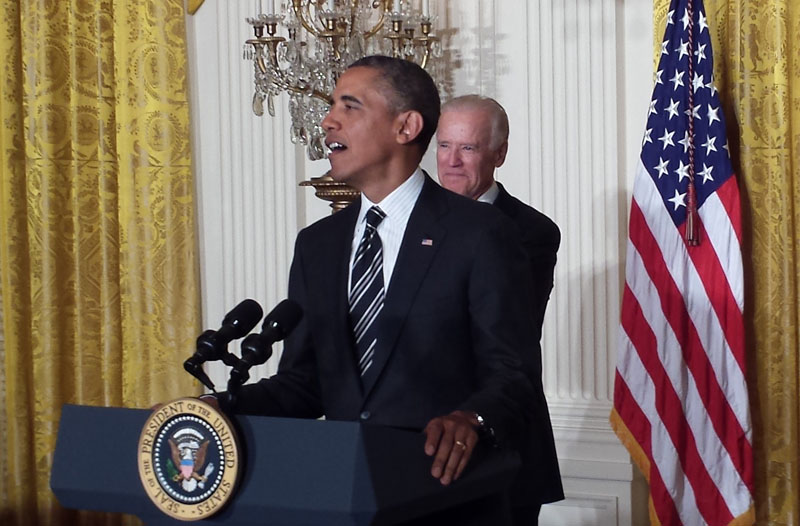
In 2013 I
was invited by the President to attend a
White House Reception in celebration of LGBT Pride Month,
in acknowledgement of my trans-advocacy work. A wonderful
event; the atmosphere was full of joy and hope for the future.
My husband
Charlie was my guest and as you can imagine this was a very special
experience for us. The following month I published reflections
on the event, entitled
"The Many Shades of 'Out'."

|
Advocating for full LBGT inclusion in
IEEE's
Code of Ethics
September 3, 2013 – January 8, 2014
2015: The Paradigm Shifts, Upending Conversion-Therapy on Trans
Children and Teens.
Zucker is Formally Investigated: He's Fired and his
CAMH Gender Clinic is Closed!
The Bottom Line:
“Beware
Obsessively-Manipulative Organized-Superstition” –
Lynn Conway
Career Memoirs
Quoem re Career Memoirs:
“eiπ
+
1 =
0”
–
Leonhard Euler
"Mathematics
is an experimental science, and definitions
do not come first, but later on"
–
Oliver Heaviside
“Imagination is more important than knowledge . . .” –
Albert Einstein
“Choose
a problem that "irrationally grips you by the imagination,
else nothing remarkable can be expected to
happen." –
Arthur T. Winfree
“If
you do not expect the unexpected, you will not recognize it when it arrives”
–
Heraclitus
"Go off and do something wonderful."
–
Robert (Bob) Noyce
“It
is the story that matters not just the ending.”
–
Paul Lockhart
"Rumor was that somebody named
Conway had gone off the reservation,
slipped up the river into Cambodia, and was spreading
unsound methods"
–
Lynn Conway
"If
MPC79 didn’t work my
name would be
Kurtz’d."
–
Lynn Conway
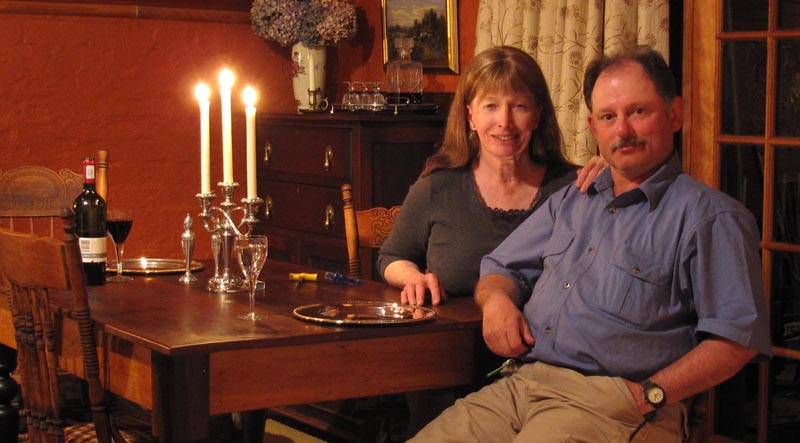
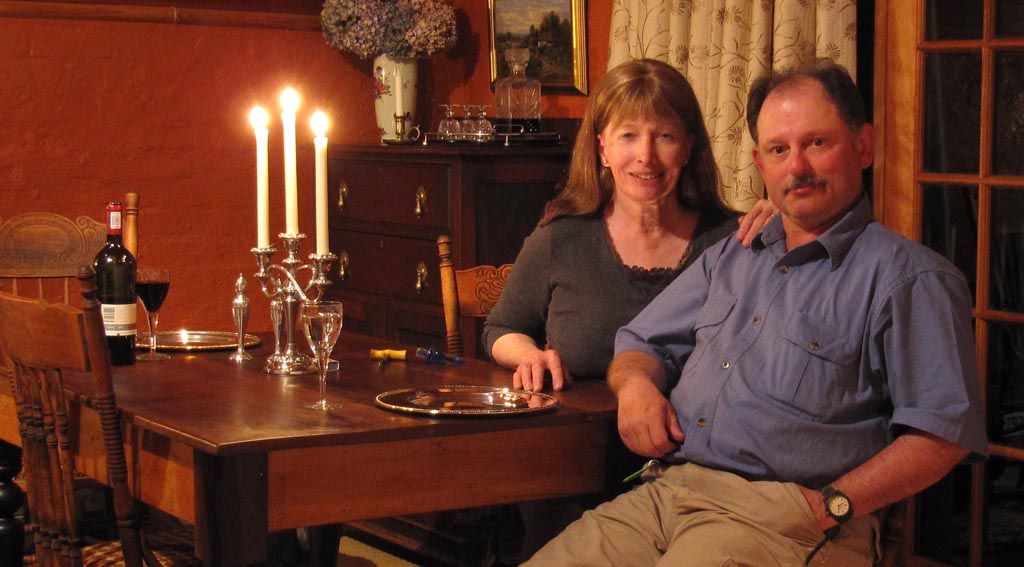
Lynn and her husband
Charlie, 2010
[click photo
for higher-res version (more,
more,
more,
more)]
Introduction:
During the early 2010's, I began sketching
reflections on my experiences in engineering. I'd learned many lessons
during my work at
IBM-ACS in the 1960's
and the
'Mead-Conway' VLSI
revolution in the 1970's. I hoped to illuminate those experiences
in memoirs before
time ran out, believing lessons-learned back then might prove useful to young engineers
in the future.
Times had also changed enough to
seriously begin this work. The widespread internet-based trans-advocacy of the 00's
had had great impact: The
pronouncements of leading American psychiatrists on gender variance
were exposed as
'unsound'.
Laws changed,
employment
opportunities opened up, and the political landscape brightened. Transpeople
emerged from the shadows, taking their rightful places in society. My
long-ago transition was no longer the 'elephant in the room', blocking people
from seeing the career-story looming beyond. It was time to return to my intellectual roots in
science, mathematics and engineering, time to share what I can about such
things.
Lynn's IBM-ACS Archive and Reminiscences:
I was hired by
IBM Research right out of graduate school and
soon joined what would become the
IBM Advanced Computing Systems
(a pioneering
supercomputer project),
just as it was forming in 1965. It was a golden era in computer research, a
time when fundamental breakthroughs were being made across a wide front.
The well-distilled and highly codified results of that and
subsequent work, as contained in today’s modern textbooks, give no clue as
to how those breakthroughs ‘came to be’. Lost in those texts is all the excitement, the
challenge, the confusion, the camaraderie, the chaos and the fun – the
feeling of what it was really like to be there, at the frontier, at that
time. In this, my first foray into memoir writing, I hoped to bring
some of that thrill back to life. This effort was also essential preparation for
writing the follow-on VLSI memoir. The reason was that I'd gained many valuable scientific and engineering insights while at ACS, and
had drawn heavily upon those insights during my later VLSI research.
Many questions also lingered about what had happened
at ACS. I wondered what ‘inside-explanation’ had been used within IBM to
rationalize the project's
cancellation in 1968. Did the managers who killed the project not realize that my
"dynamic
instruction scheduling" (DIS) invention
had been included in, and had greatly empowered, the machine design?
Then too, why did IBM fail to patent DIS and fail to exploit it in their later computers?
Was it possible that several rather influential ACS researchers
did not understand what DIS was? Much less how it worked, or who had
invented it? If so, how could
that be? And why was I fired so suddenly, once IBM’s Corporate
Executive Committee (i.e.,
IBM's President and
CEO
T. J. Watson, Jr.) learned about my upcoming gender transition? That
firing seemed impulsively executed, as if in hot-anger. What on earth was that all about?
I launched an investigation in early 2011 to finally begin answering
those questions and more. I was fortunate to have access to extensive
ACS
historical files compiled by
Mark Smotherman of Clemson
University, along with
my own archive of original ACS documents, plus valuable evidence that
had emerged onto the internet over the years.
My ACS colleague
Brian Randell also had many questions about the project,
which had been cancelled
just as he had predicted
early-on in the project. Collaborating closely via Skype, we happened
upon and shared lots of
additional evidence, and began making sense out of it all. The findings so
far are fascinating indeed, as you’ll discover in the resulting memoir.
Among other things,
we uncovered that
T. J. Watson, Jr. was a rabid homophobe.
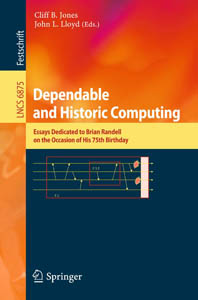
While that work was underway, I was invited by John Lloyd to
contribute a chapter to a Festschrift honoring Brian on his 75th birthday.
It was published in November 2011. In addition to my ACS memoir, the
Festschrift contained fascinating chapters by many prominent computer
scientists, including
Gordon Bell,
Peter Denning,
Tony
Hoare,
Dave Parnas
and many more:
Lynn Conway, “IBM-ACS:
Reminiscences and Lessons Learned from a 1960’s Supercomputer Project”.
A chapter in: C. B. Jones, J. L. Lloyd, (Eds.),
Dependable and Historic Computing: Essays Dedicated to Brian Randell on the
Occasion of his 75th Birthday, Springer-Verlag, Berlin, 2011,
pp.185–224.
The VLSI Archive:
As we reflect on the past with friends
and family, we often use photo albums to share our memories – memories that
bind us together and reveal how we got to where we are. But what about our
careers? Although the results of our work may linger, mementos of adventures
along the way are often lost in the rush of events. Only too late do we
realize what we 'should have saved'.
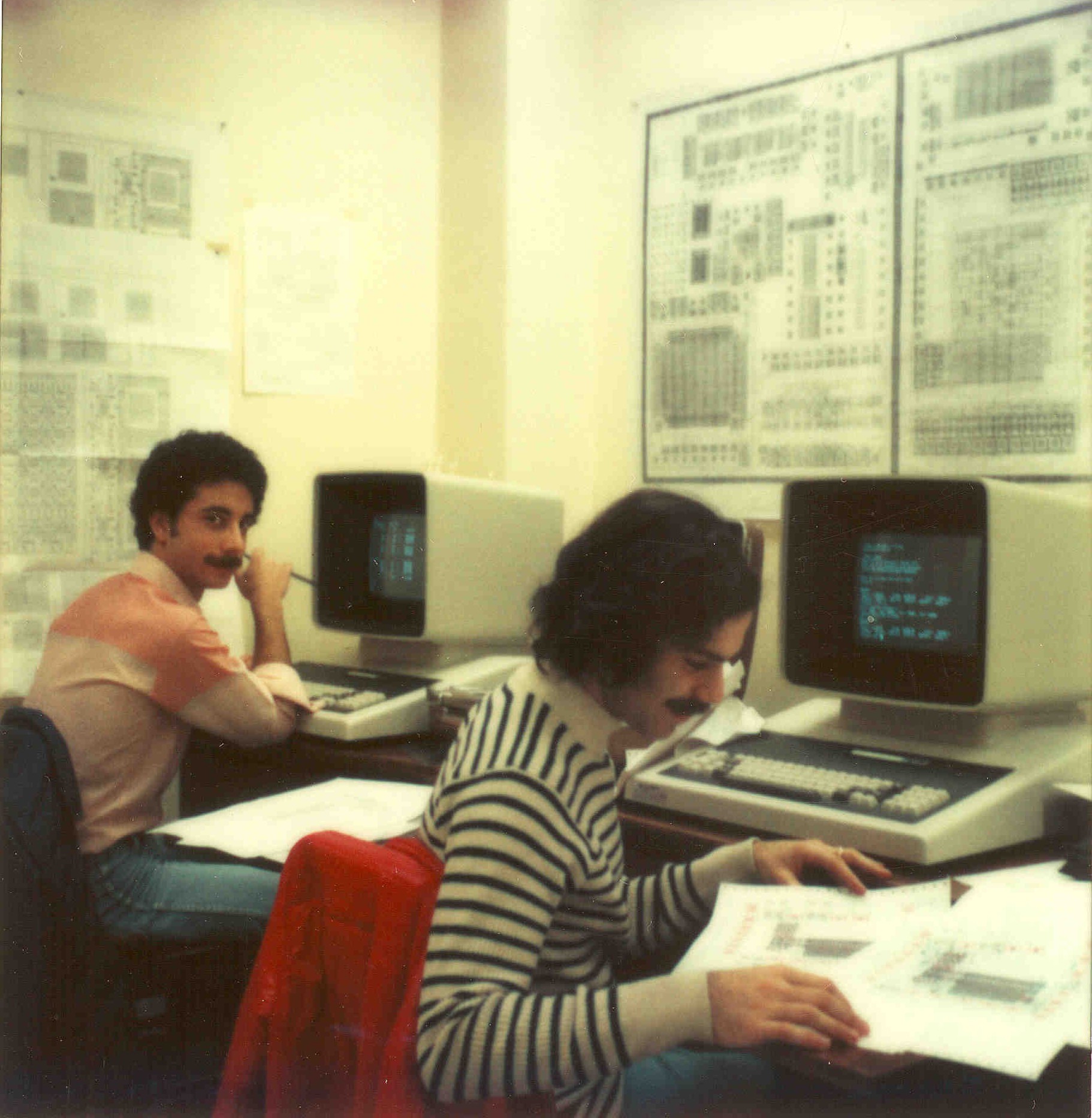
It was different for the VLSI
revolution in microelectronics; perhaps it was the exciting visual artifacts, or the
shared-sense of breaking new ground. Whatever the reason, many participants
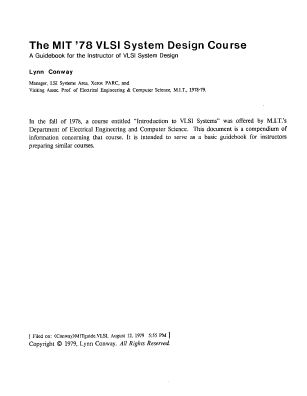
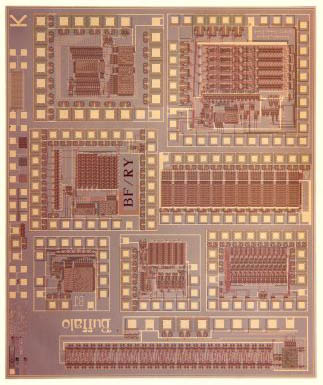
saved old treasures from those years (1976-1980) – research notes, prototype
silicon chips and chip photos,
even huge color check plots – and stored them away for decades. During
2008-2010, members of the original VLSI research team, along with colleagues
in academia and industry, began gathering up, scanning and photographing
such artifacts – and then posting them online. The resulting
VLSI Archive
(more,
more)
helped bring
those exciting days back to life. That mass of primary historical evidence
also provided a great starting-point for a memoir, with the online
VLSI Archive Spreadsheet enabling easy group-access to its wide
array of contents. This large archive of original artifacts and documents
from the VLSI revolution was pivotal in enabling me to begin writing my VLSI
Reminiscences in 2011-12.
Lynn's VLSI Reminiscences:
In 2010,
Dave Hodges,
the Daniel M. Tellep Distinguished Professor of Engineering Emeritus at U. C. Berkeley, graciously invited me to write a memoir
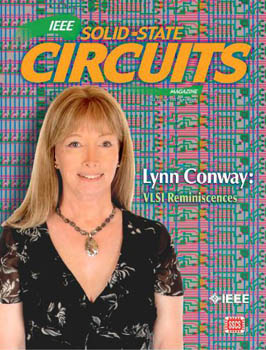
about the VLSI revolution for a special-issue of
IEEE
Solid-State Circuits Magazine (SSCM). Although many myths had arisen
about the 'Mead-Conway' work, this was the first time in thirty years that
any of my peers had asked me to explain what had happened back then. It was a nice
coincidence in timing, for I’d already begun drafting some sketches about the work.
However there was a problem: The VLSI
work had drawn heavily on key scientific and engineering insights I’d gained
while at IBM-ACS. I felt a need to document those foundational experiences
before immersing myself in writing about VLSI. Many questions also lingered
about what had really happened at ACS, questions that needed answering
before writing about later work. Thus it was that I began writing an ACS memoir
in early 2011. This involved some rather interesting detective work, and
along the way I stumbled onto many answers. The resulting
ACS memoir
was published in the fall of 2011 (see below).
I then shifted to writing about the
VLSI revolution, building on the mass of original evidence contained in the
VLSI
Archive, and interacting with and getting feedback from many VLSI vets.
The resulting memoir was published in the IEEE-SSCM in December 2012,
along with insightful commentaries contributed by
Chuck House, former Director of Engineering at HP,
Carlo Séquin, Professor of EECS at U.C. Berkeley, and
Ken Shepard, Professor of Electrical Engineering and Biomedical
Engineering at Columbia University.
The memoir and commentaries are posted at the following links [those in the
VLSI archive include embedded links]:
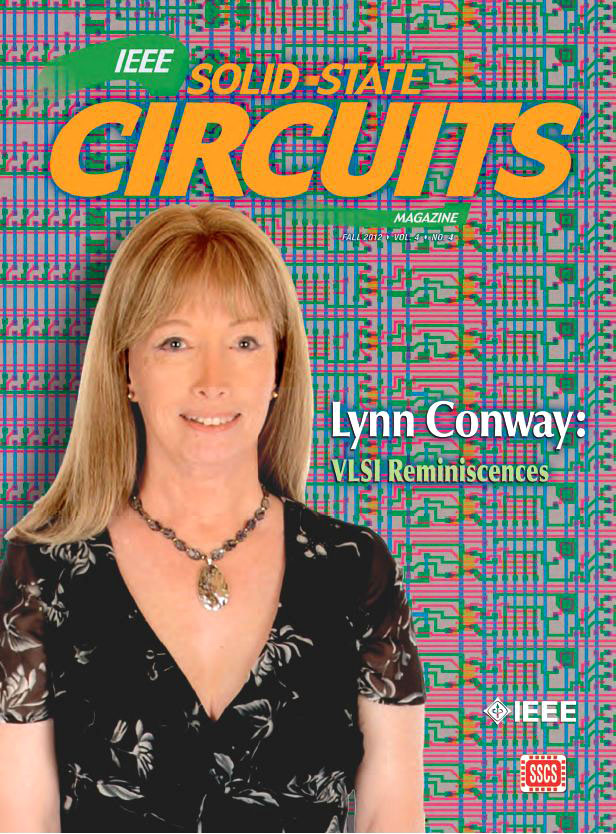
IEEE Solid State Circuits Magazine,
VOL.
4, NO. 4, FALL 2012:
Front Cover;
Table of Contents;
Society Listing;
Contributors;
Editor's Note, by Mary Lanzerotti; (PDF
4mb);
UM EECS Department Posting.
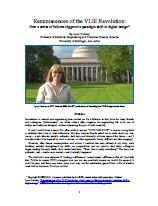
Lynn Conway, “Reminiscences
of the VLSI Revolution: How a series of failures triggered a paradigm shift
in digital design” (SSCM,
more,
references,
timeline)
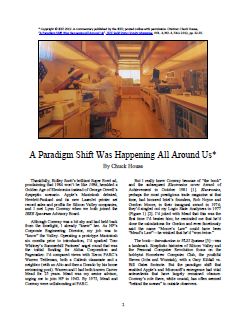
Chuck House, “A Paradigm
Shift Was Happening All Around Us” (SSCM)
Carlo Sequin, “Witnessing
the Birth of VLSI Design" (SSCM)
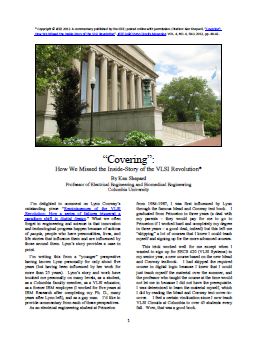
Ken Shepard, ““Covering”:
How We Missed the Inside-Story of the VLSI Revolution” (SSCM)
As you explore the unfolding VLSI
saga, 'go-meta' and think of it as a 'case study'. By doing so, you'll gain
perspective on the processes involved in engineering exploration, innovation
and paradigm shifting ‒ and on the critical roles that tool-building,
exploratory design, rapid-prototyping and the actual 'making of things' play
in such events.

Quoem re 'Doing Demos':
“When
I grasped the meta-meaning of Doug Englebart’s 1968“Mother of All Demos” it set my mind afire”
–
Lynn Conway
“
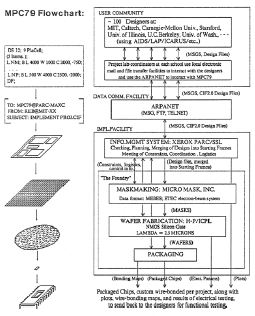
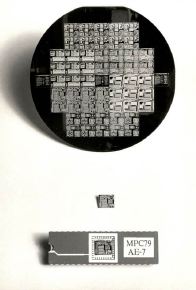
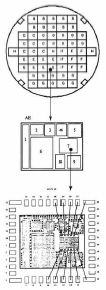
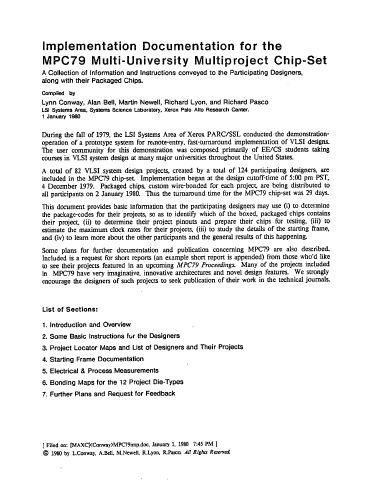
I later conceived and orchestrated MPC79 as the “Godmother of All Demos.”
However, MPC79 went off so perfectly that only I
knew it was the exploratory demonstration-operation
of a
self-bootstrapping, self-propagating, paradigm-shifting, techno-social
dynamical-system.
Everyone else just reflexively used and built on it, clueless
to what
it even was,
much
less how it'd been created and who’d
done that.” –
Lynn Conway
“We
shape our tools and then our tools shape us.”
–
Marshall McLuhan
Reminiscences of
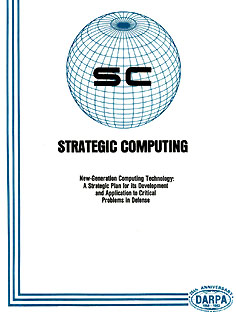
DARPA's
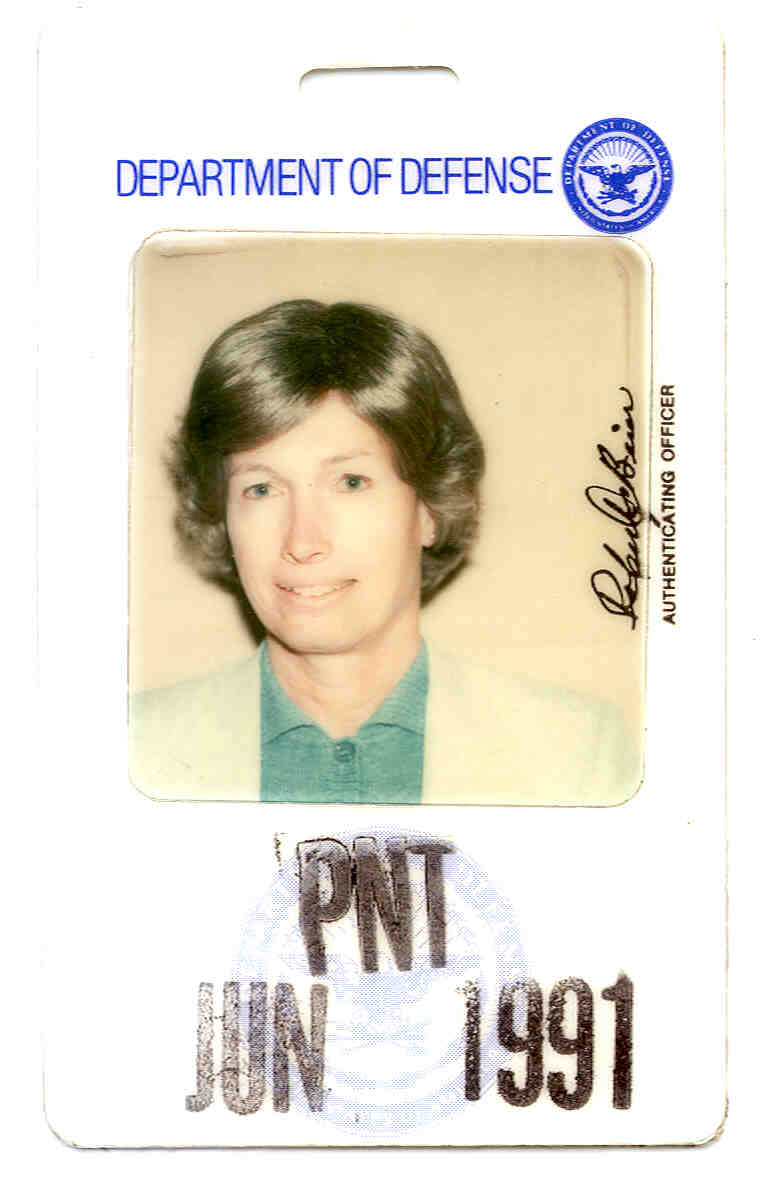
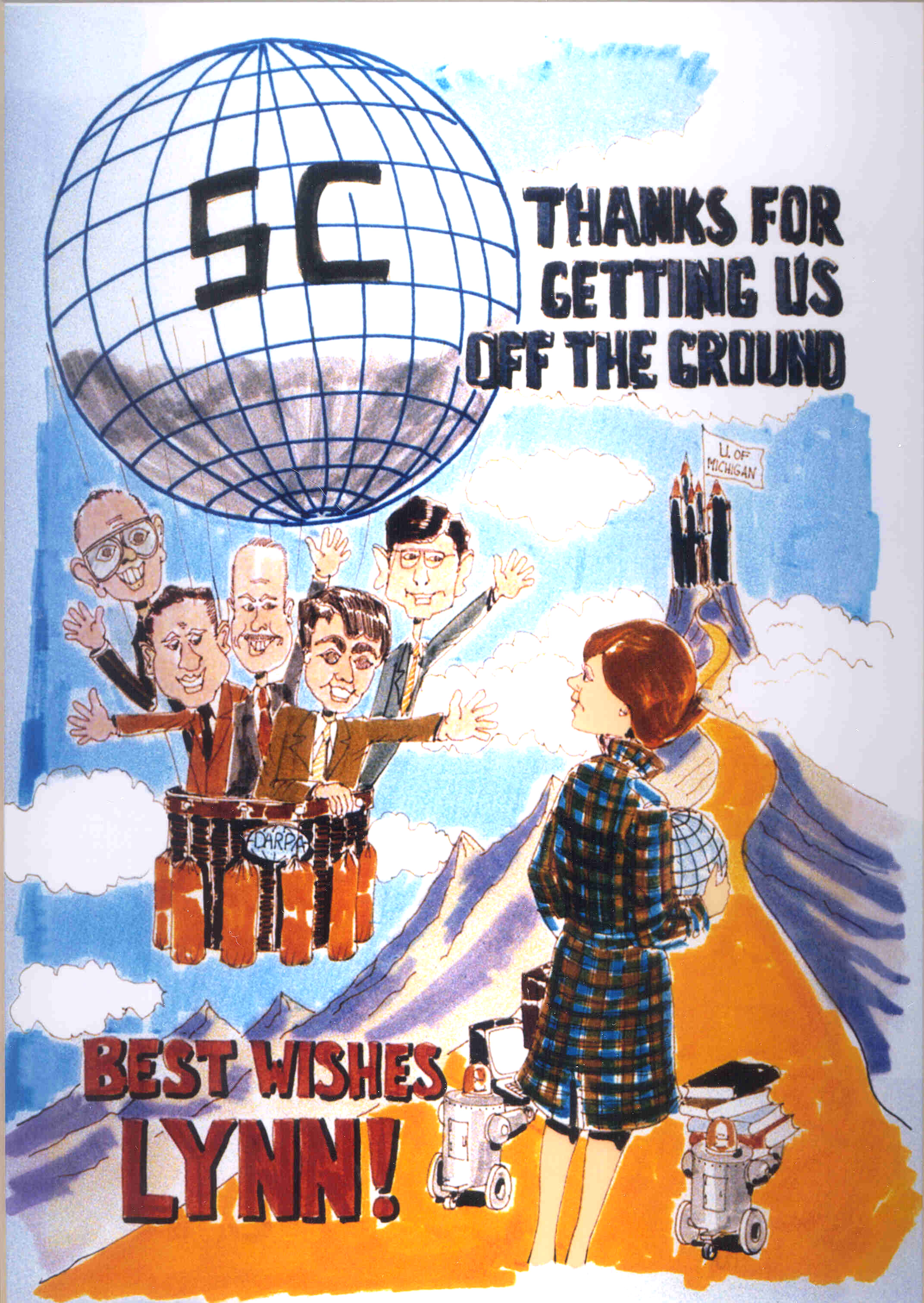
Strategic Computing Initiative,
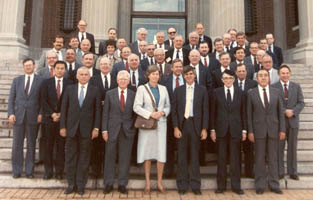
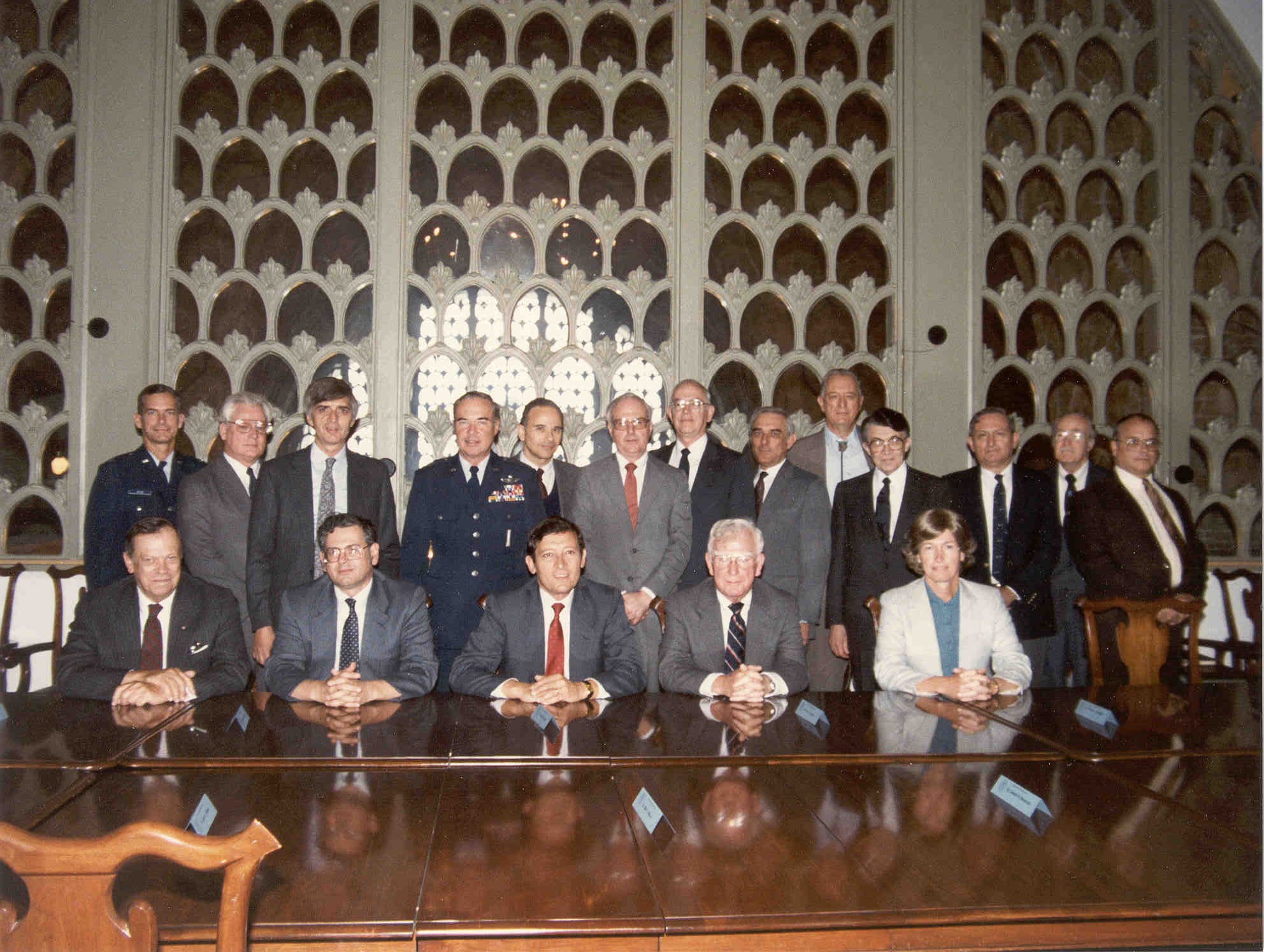
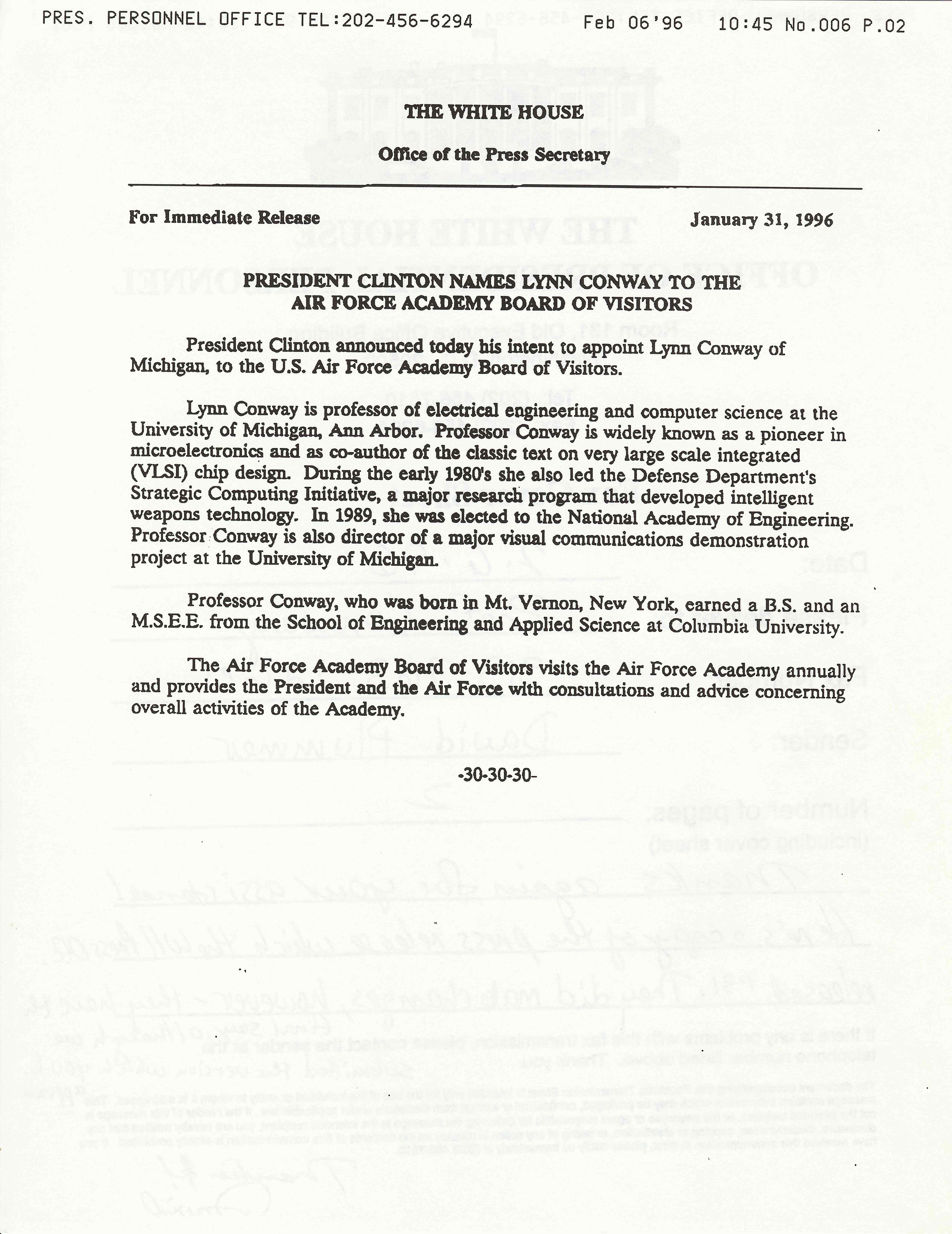
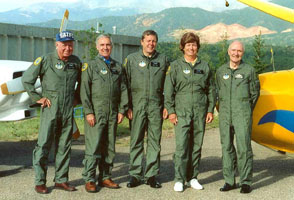
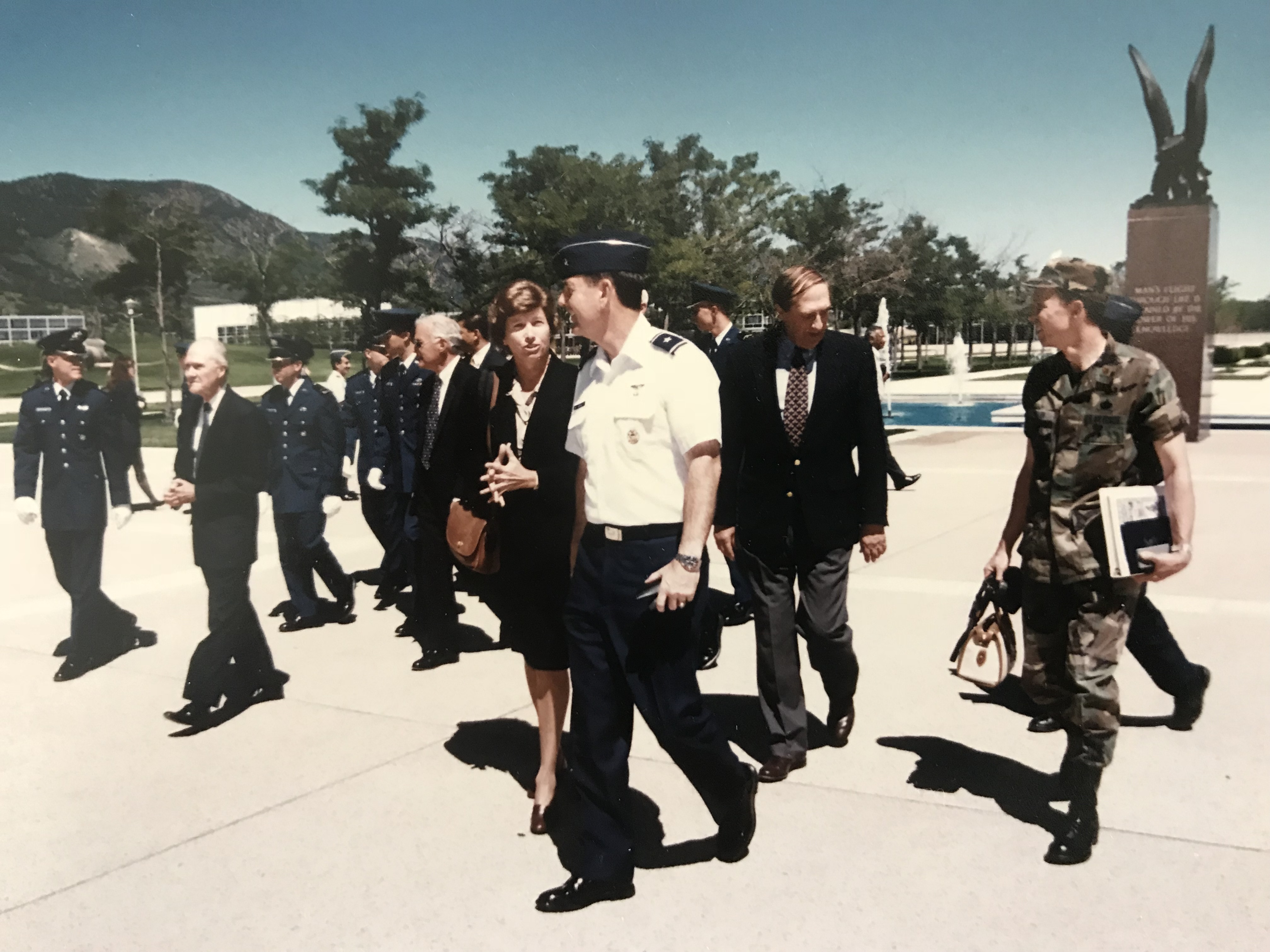
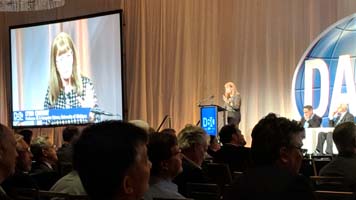
DOD and USAF ('80s,'90s) and D60 (2018):
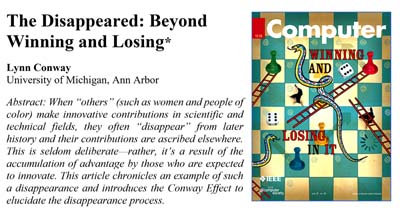
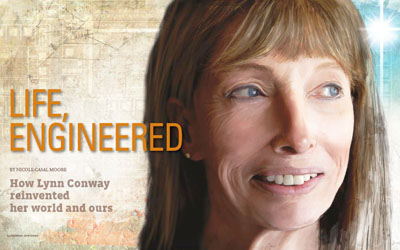
The Late-Emergence of Lynn's Hidden Career Legacy, 2013-present:
|

 |
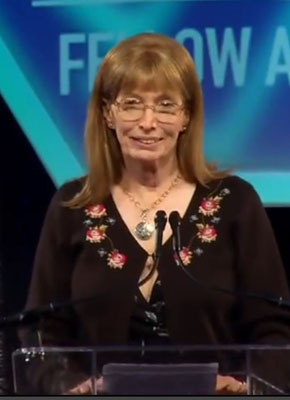
Computer History Museum Hall of
Fellows, 2014

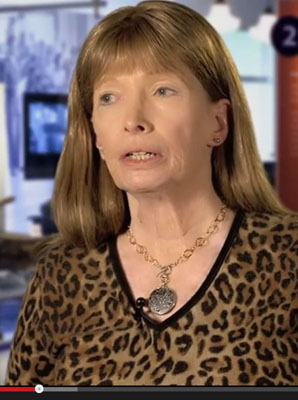
|
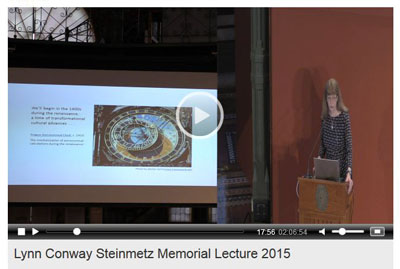
2015 Steinmetz Memorial Lecture, Union
College

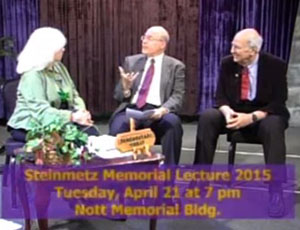
 |
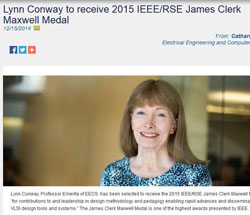
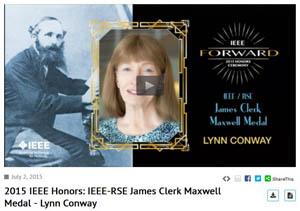
IEEE/RSE James Clerk Maxwell Medal,
2015
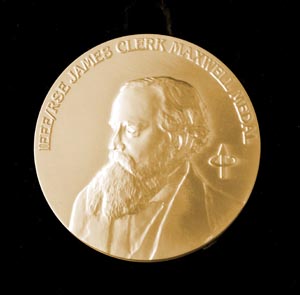 |
From the IEEE/RSE
Maxwell Medal citation:“Her influence on modern electrical engineering
is deep and profound, arguably on the
scale of
Armstrong
and
Steinmetz.”
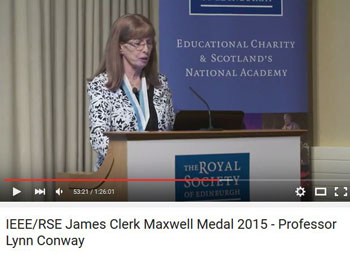
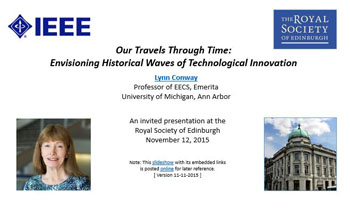
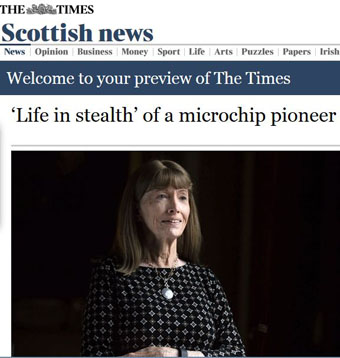
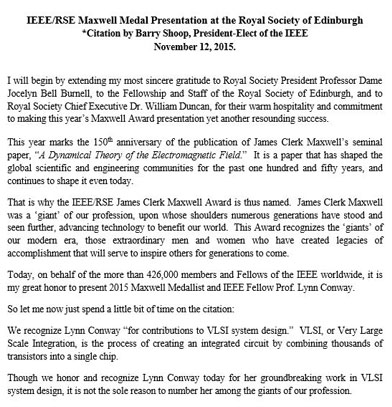
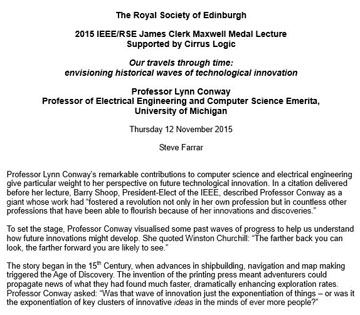
Video
of RSE Medal Ceremony
Lynn's Lecture Slides
Times story by M. Linklater
Maxwell Medal Citation
Review of Lynn's Lecture |
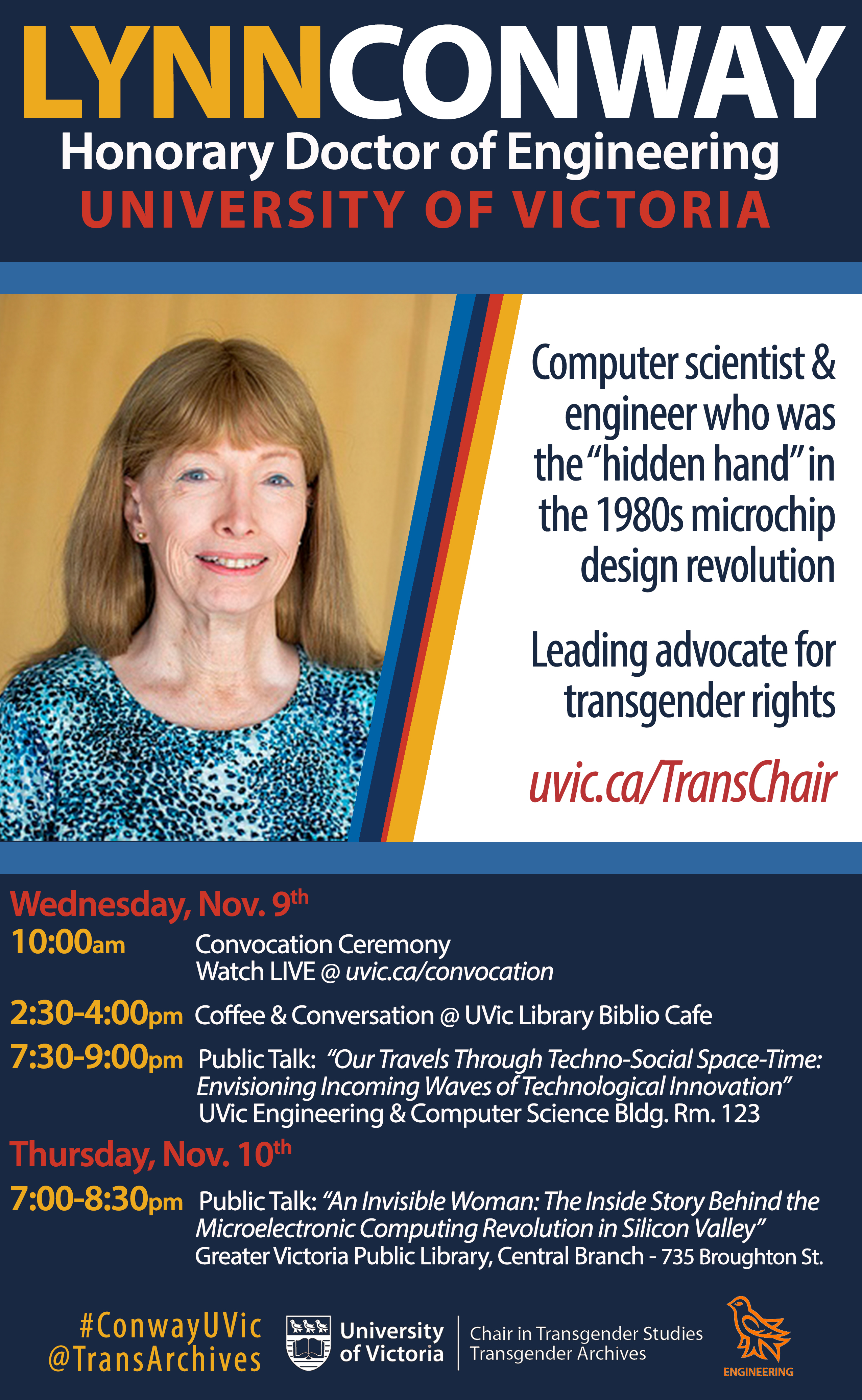
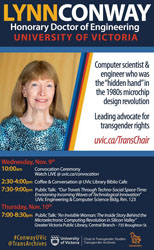
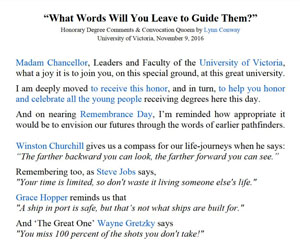
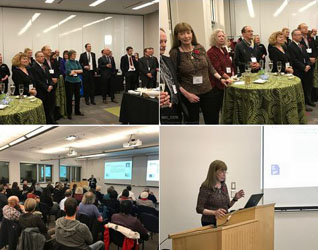
Doctor of Engineering (Hon.Causa),
University of Victoria,
Nov. 9, 2016
Fellow of the AAAS, Oct. 2016
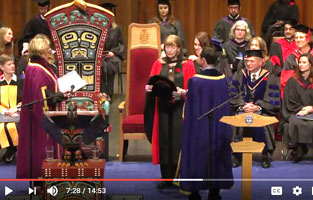
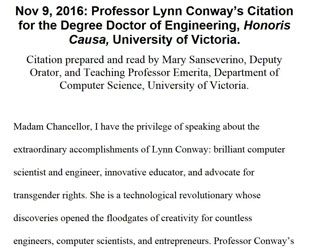
Awarding
of Degree (video)
Orator's Introduction
Event Poster
Lynn's Comments
Photos
AAAS Member Spotlight
|
Doctor of Science (Hon.Causa) and
Commencement Address, University of Michigan, Dec.
16, 2018
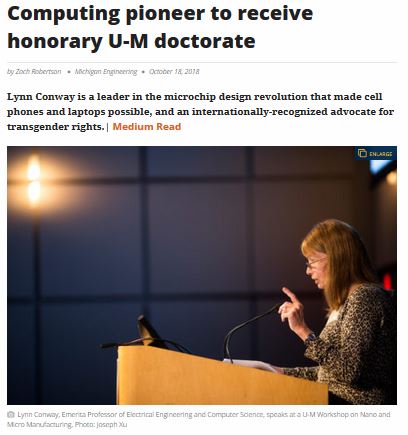 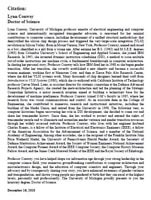
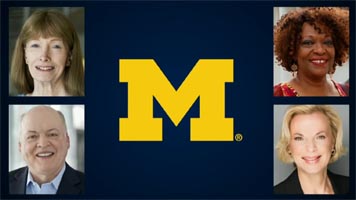
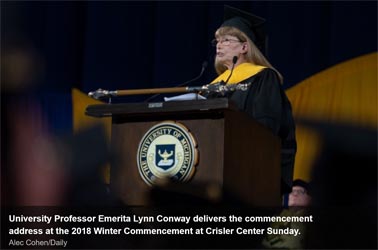
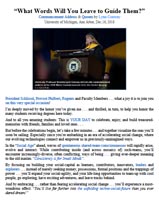
Announcement Citation
Recipients' Video-Sketches
Commencement Address Video
Transcript of Address
|
Advocating for
Women's Full Inclusion and Recognition in
STEM:
"Well-behaved
women seldom make history" –
Laurel
Thatcher Ulrich
“When
Weirdness breaks out, don’t get upset . . . Do Science On It!”
–
Lynn Conway
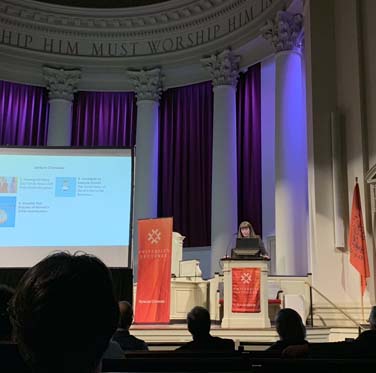
NSF 2015 LGBT Pride-Keynote:
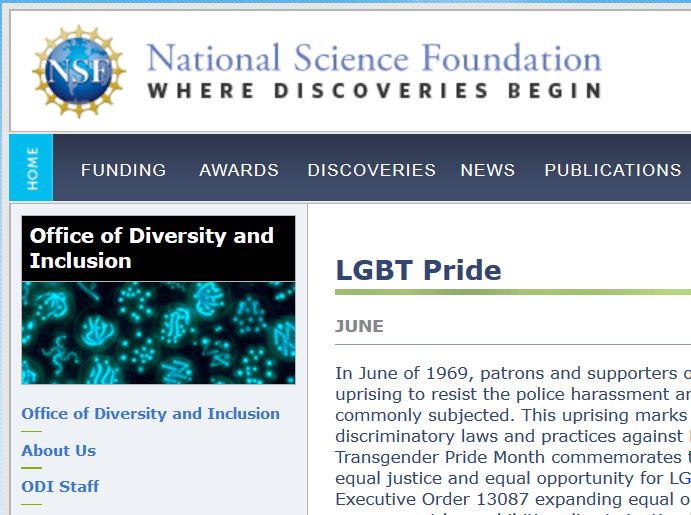
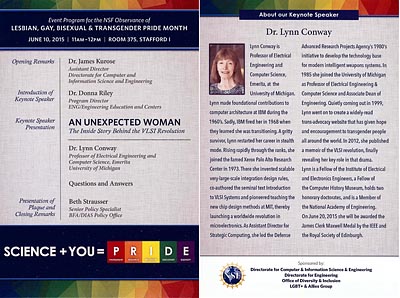
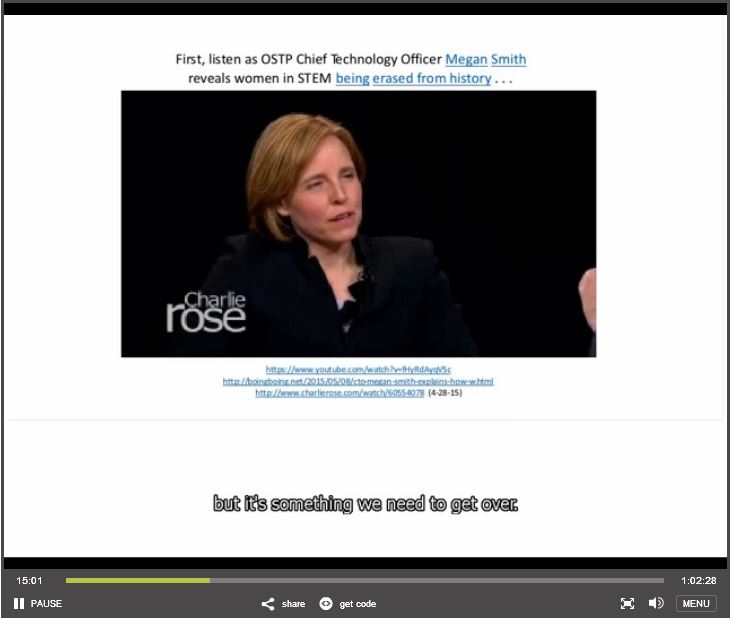
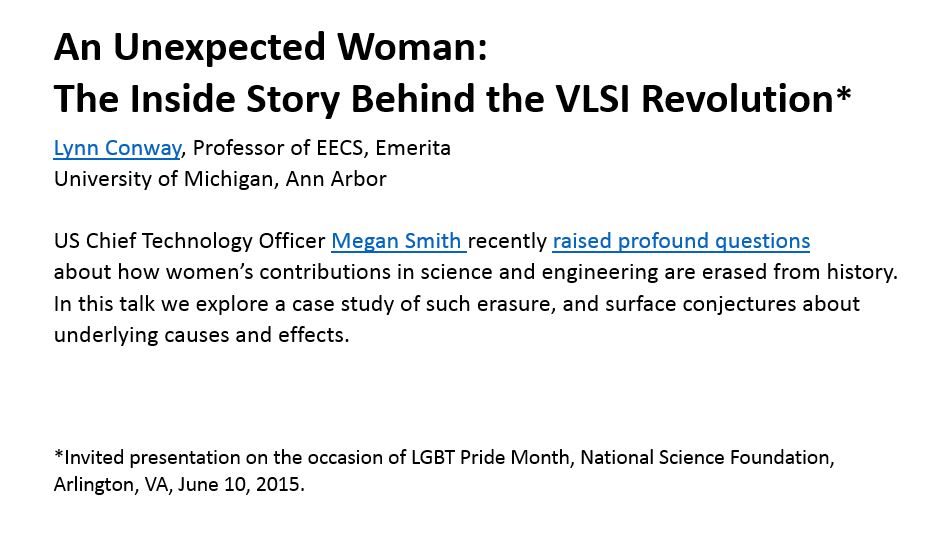
NSF Pride Site
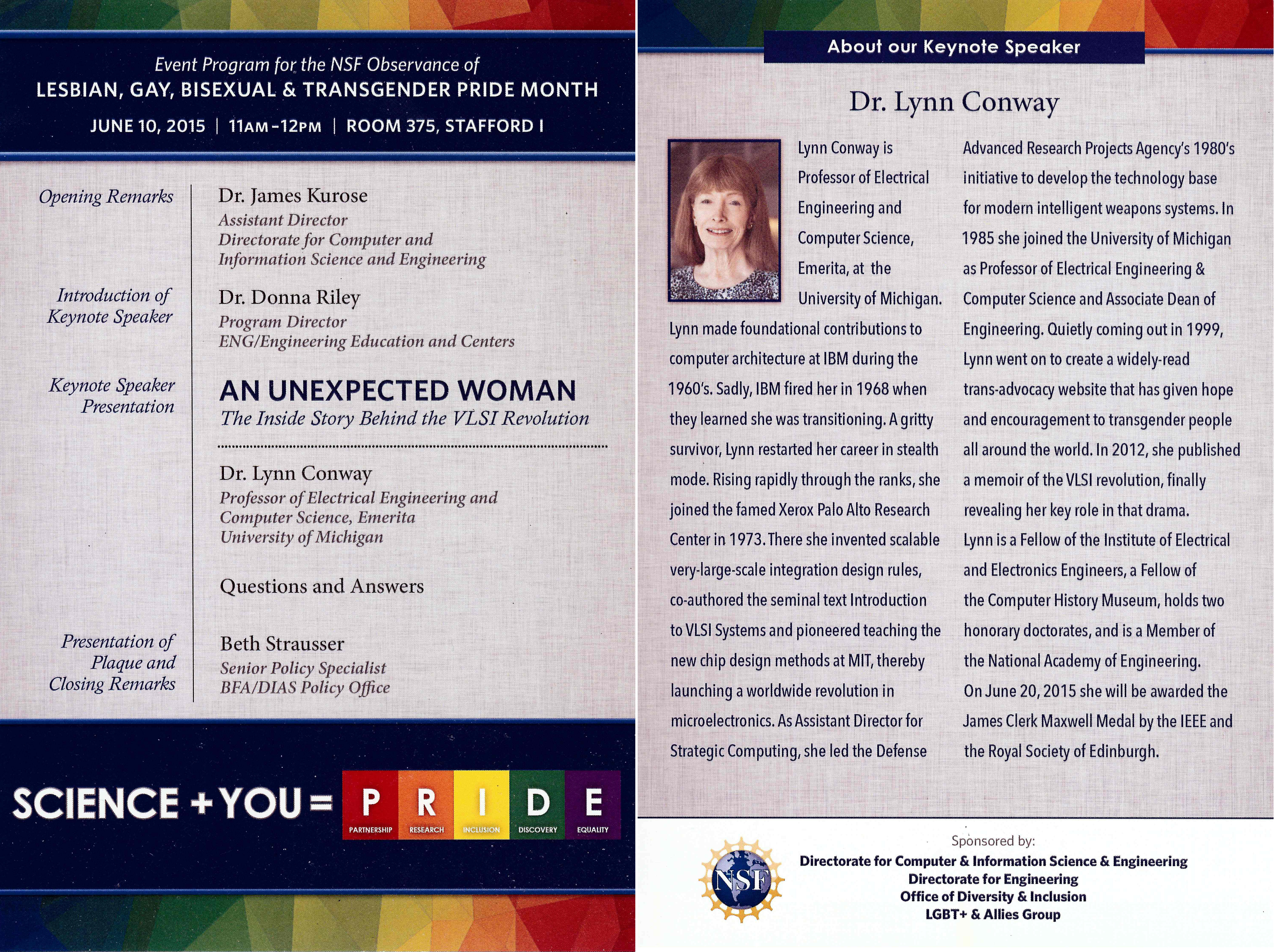
Keynote Brochure
Video/Audio
Slideshow
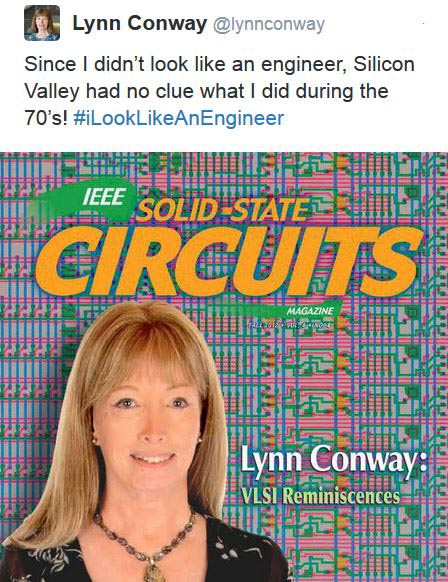
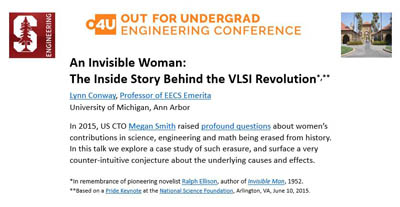
Since I didn’t look like an engineer,
Silicon
Valley had no clue what I REALLY DID during the 70’s!